
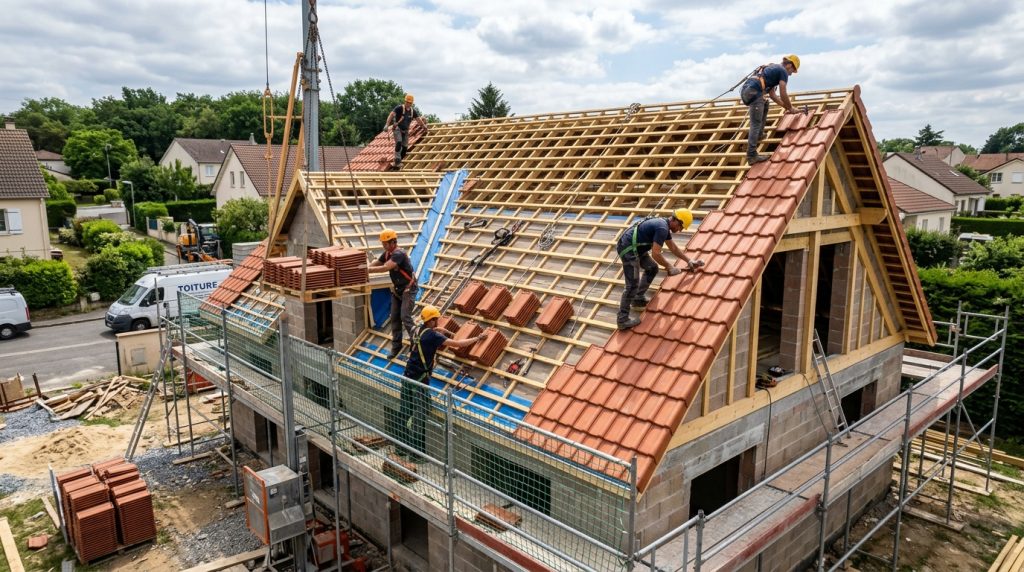
Installing a new roof is an investment that requires meticulous planning and consideration. From material selection to the expertise of contractors, several factors play a pivotal role in ensuring a successful outcome. Understanding these elements will not only safeguard your investment but also enhance the durability and performance of your roof over time.
Choosing High-Quality Roofing Materials
The selection of roofing materials is arguably the most critical aspect of any installation project. Opting for robust, weather-resistant materials tailored to your local climate can greatly influence a roof’s longevity and effectiveness. Common choices include asphalt shingles, metal roofing, clay tiles, and slate. Each material comes with its own set of pros and cons, so it’s essential to evaluate them based on durability, aesthetic appeal, and maintenance requirements.
Material Durability and Aesthetic Considerations
When selecting roof materials, longevity and appearance should go hand in hand. For example, asphalt shingles are popular for their economic advantages, while metal roofs can provide superior durability and energy efficiency. Additionally, consider how the chosen materials align with your home’s architectural style, as this can significantly boost curb appeal and property value.
Hiring a Professional Roofing Contractor
Engaging a skilled roofing contractor is paramount for achieving a successful installation. A competent professional has the necessary tools, knowledge, and experience to ensure the roof is installed correctly. It’s vital to conduct thorough research, verify credentials, and seek references while evaluating potential contractors. This step helps guarantee that your roof will be in capable hands.
- Check Licenses and Insurance: Make sure the contractor is licensed and insured to prevent any liability issues.
- Review Past Work: Ask for examples of previous projects to gauge craftsmanship quality.
- Consider Communication: Choose a contractor who communicates effectively and is open to addressing your concerns.
The Importance of Installation Experience
An experienced contractor understands the intricacies of roof installation, thereby minimizing potential missteps. They can navigate challenges in real-time, ensuring the installation process is smooth and efficient. Investing in skilled labor up front can save homeowners from costly repairs down the line.
Understanding the Roof Installation Process
The roof installation process is systematic and involves several crucial steps. Understanding these stages can empower homeowners to be more engaged in the project and better equipped to address any concerns. Below are the typical steps involved:
| Step | Description |
|---|---|
| Inspection | Assessing the existing roof structure for damage before beginning work. |
Prioritizing Regular Roof Maintenance
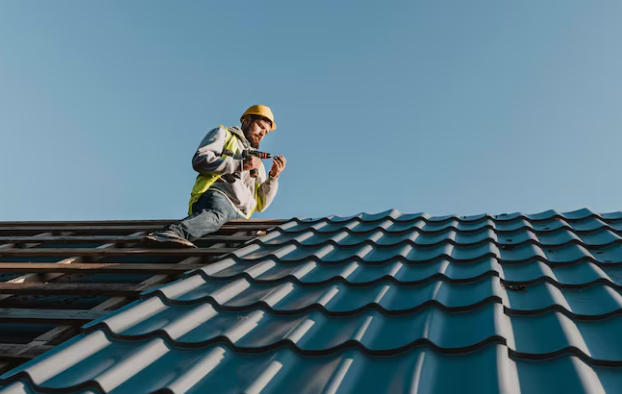
Once your roof is installed, the journey doesn’t end. Regular maintenance is vital for identifying and addressing minor issues before they become major problems. Establishing a routine maintenance plan, which includes inspections, cleaning gutters, and checking for leaks, can significantly prolong your roof’s lifespan.
Effective Maintenance Strategies
Consider adopting the following strategies to maintain your roof:
- Schedule Inspections: Have a professional check for damage or wear at least once a year.
- Remove Debris: Clear leaves, branches, and debris from the roof and gutters.
- Apply Protective Coatings: Depending on the material, consider protective coatings to extend longevity.
Understanding the Costs of Roof Installation
The overall cost of a roof installation can vary significantly based on several factors, including material choice, labor rates, and project complexity. While it may be tempting to opt for the cheapest option, it’s crucial to see the value in high-quality materials and experienced labor. Over time, investing wisely can reduce maintenance costs and enhance the roof’s durability.
Budgeting for Hidden Costs
When planning your budget, remember to account for additional costs that may arise, such as:
- Permit fees and inspections
- Disposal of old roofing material
- Potential structural repairs needed before installation
By being thorough in your budgeting and planning, you can prevent financial surprises and ensure your new roof stands the test of time.
Avoiding Common Roof Installation Mistakes
Several pitfalls can compromise roof installation quality. To help you navigate these potential issues, here’s a list of common mistakes to avoid:
- Using Low-Quality Materials: Cheap materials might save money initially but can lead to additional expenses down the road.
- Neglecting Ventilation: Proper roof ventilation helps prevent moisture and mold issues, extending longevity.
- Ignoring Building Codes: Ensure compliance with local regulations to avoid fines or costly modifications.
By proactively addressing these factors, homeowners can ensure a durable, energy-efficient roof that will enhance the overall value of their property.
In summary, understanding the key factors that influence a successful roof installation will empower homeowners and contractors alike to create a durable and efficient roofing solution. For those in need of sophisticated roofing services, consider connecting with experts in the industry to maximize your investment.


