
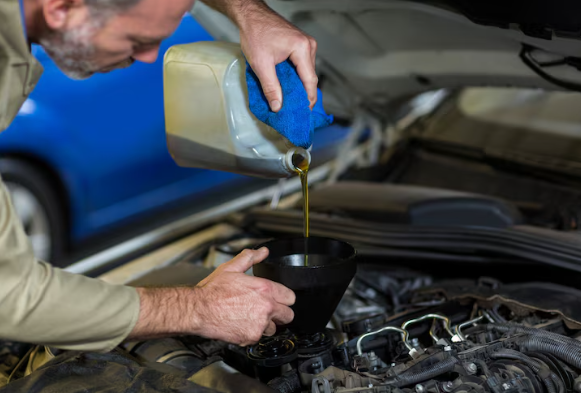
Oil plays a crucial role in the smooth operation of your vehicle’s engine. It ensures proper lubrication, reduces friction, and helps maintain optimal temperature ranges. However, as time passes, the properties of engine oil deteriorate, primarily its viscosity. This article delves into how oil viscosity changes over time and the implications for engine wear. Understanding these factors is essential for every vehicle owner in safeguarding their engine’s longevity and efficiency.
Understanding Oil Viscosity: A Fundamental Component
Oil viscosity refers to the thickness or ability of the oil to flow. It’s measured using a unit called centistokes (cSt). Fresh oil typically has a viscosity rating established by the SAE J300 standard. For example, 5W-30 oil is within a kinematic viscosity range of 9.3-12.5 cSt when new. As oil ages, its viscosity can change dramatically, affecting how well it lubricates engine components.
The Mechanisms Behind Viscosity Changes
Changes in oil viscosity are primarily driven by two processes: oxidation and contamination.
- Oxidation: High temperatures in the engine cause the oil’s molecules to break down. This degradation reduces the oil’s viscosity, making it thinner and less effective at lubricating engine parts.
- Contamination: Over time, engine oil accumulates contaminants such as tiny metal particles, dust, and fuel residues. While these contaminants can thicken the oil, the degree of oxidation often plays a larger role.
In typical scenarios, oxidation predominates. Enhanced air filtration systems and tighter piston rings in modern engines minimize contamination, allowing oxidation to be the more significant factor in viscosity reduction. Yet, during specific conditions, such as worn piston rings or extended oil change intervals, contamination can lead to thicker oil.
Impact of Viscosity Changes on Engine Performance
As oil viscosity fluctuates, its lubricating capabilities are impacted significantly, which in turn reflects on engine performance and longevity. A balance is required for the oil to maintain optimal flow and protection.
Thinner Oil: Pros and Cons
When oil becomes thinner due to oxidation, several outcomes follow:
- Increased Engine Wear: A thinner oil film provides lesser protection, leading to more friction between moving parts.
- Higher Oil Consumption: Thinner oil tends to leak past components like piston rings more easily, thereby necessitating frequent top-ups.
- Reduced Fuel Economy: Thinner oil experiences higher friction, which can negatively impact fuel efficiency.
Thicker Oil: Perils in Cold Starts
Conversely, when oil becomes thicker, possibly due to contamination, it presents its own challenges:
- Poor Cold Flow: Thicker oil may struggle to circulate during cold starts, resulting in inadequate lubrication in critical engine parts.
- Increased Engine Deposits: With its inability to flow freely, thicker oil can lead to greater buildup of deposits inside the engine.
- Higher Pumping Losses: The extra resistance created by thicker oil can lead to increased load on the oil pump, straining the engine.
The interplay between these factors illustrates why regular oil changes are necessary to maintain optimal viscosity and ensure efficient engine operation.
Measuring Changes in Viscosity Over Time
Visualizing these changes is critical for understanding oil performance across its lifespan. One of the benchmarks used for this measure is kinematic viscosity. Regular monitoring can indicate when oil reaches a critical point. For example, fresh oil starts at 9.3-12.5 cSt; once it drops to around 7 cSt, it is indicative of significant oxidation.
| Condition | Viscosity (cSt) |
|---|---|
| New Oil | 9.3 – 12.5 |
| Oxidized Oil | Around 7 |
| Contaminated Oil | Over 15 |
These measurements serve as a guideline for vehicle owners to understand when an oil change is imperative to avoid damage to engine components.
Preventative Measures: Maintaining Optimal Viscosity
Maintaining the correct viscosity of engine oil is crucial. Understanding how actions taken by vehicle owners can delay viscosity change is key to extending engine lifespan. Here are some practical steps:
- Regular Oil Changes: Stick to the recommended oil change schedule as outlined in your vehicle’s manual. This practice ensures the oil is changed before it deteriorates significantly.
- Monitor Engine Health: Keep an eye on your engine’s performance metrics, such as oil pressure and temperature, to catch any issues early.
- Use Quality Oil: When changing oil, opt for products that meet or exceed manufacturer specifications to maintain optimum performance.
- Keep Air Filters Clean: Regularly replace or clean air filters to reduce contaminants entering the oil.
Conclusion: The Imperative of Regular Maintenance
Oil viscosity influences every aspect of engine performance, from wear and tear to fuel efficiency. With the correct understanding of its dynamics, vehicle owners can take proactive steps to safeguard their engines against premature wear. For detailed insights into how regular auto care can extend vehicle lifespan, visit this article.
For professional advice and reliable oil change and maintenance services, Gilman Sport can help you select the right oil and keep your vehicle’s engine operating efficiently over time.


