
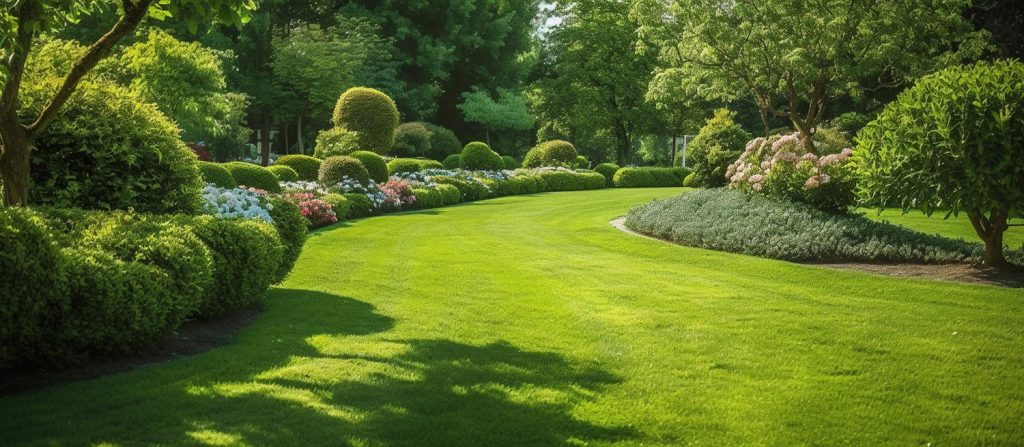
Professional landscaping can turn an underused yard into an outdoor living space that feels welcoming, functional and connected to the home. Through thoughtful landscape design, careful planting and well-planned hardscaping, a garden can support quiet relaxation, family gatherings and outdoor entertaining while improving curb appeal.
The transformation is about more than appearance: it considers how people move through the space, how sunlight and drainage affect its use, and how materials and plants will perform over time. When these elements work together, the result is an inviting extension of the home rather than a collection of separate features.
Professional landscaping and a more usable outdoor living space
A successful landscape plan begins by considering how the outdoor area will be used throughout the day and across the seasons. A clear route from the house to seating, planting and service areas helps the garden feel easy to navigate instead of fragmented.
Before choosing materials or plants, a landscape professional can assess existing slopes, soil conditions, sunlight and water movement. This groundwork helps guide decisions about layout and can prevent common problems such as standing water, overcrowded beds or a patio that receives little shade when it is needed most.
Spatial planning for everyday comfort
Different activities benefit from distinct zones, even in a modest yard. A dining area near the kitchen can make meals easier to serve, while a quieter seating nook set among plants can offer a retreat from the livelier parts of the garden.
Good circulation connects these areas without making the space feel like a corridor. Paths should suit the way people move through the property, and transitions between the home, patio and lawn should feel natural and unobstructed.
Patio design that supports outdoor entertaining
Patio design can shape how comfortably a space accommodates meals, conversation and relaxation. The right surface, dimensions and placement depend on the home’s architecture, the available space and practical needs such as access, shade and drainage.
Landscape design that balances beauty and function
Once the layout is established, planting and structural features give the space its character. A cohesive design considers how colors, textures and materials relate to one another, as well as how the garden will change as plants mature.
Hardscaping that defines outdoor rooms
Hardscaping includes built features such as patios, paths, retaining walls and steps. These elements establish useful boundaries and can address changes in elevation, but their placement and construction need to account for drainage and safe access.
Material choices influence both appearance and upkeep. Stone, pavers and other suitable surfaces can complement the home’s exterior, while clear edges and well-planned transitions make the space easier to maintain. A coordinated approach to landscaping choices for an outdoor space helps tie these details together.
Lush greenery for texture, shade and privacy
Lush greenery brings softness and seasonal interest to patios and paths. Trees can provide shade, shrubs can create privacy, and layered planting can add depth without relying on a single row of plants.
Plant selection should reflect local growing conditions, available light and the amount of maintenance the property can support. Choosing species suited to the site can help reduce unnecessary watering and replacements, while leaving enough room for healthy growth.
Sustainable landscaping and lasting property appeal
A garden’s long-term success depends on more than its first impression. Sustainable landscaping considers water use, soil health, plant suitability and the ongoing care required to keep the space attractive and functional.
Curb appeal with a practical maintenance plan
Thoughtful landscaping can strengthen curb appeal by giving the entrance, pathways and planting a coherent appearance. A clear approach to the front door, healthy greenery and consistent materials make the exterior feel considered without requiring elaborate features.
Professional planning can also account for the upkeep of lawns, beds, trees and paved areas. Before work begins, it helps to clarify which elements need regular pruning, seasonal attention or occasional repairs, so that the finished space remains manageable.
The following comparison shows how common landscape choices serve different needs. The best fit depends on the property, intended use and local conditions.
| Landscape element | Primary benefit | Planning consideration |
|---|---|---|
| Patio | Creates a place for dining and relaxation | Size, shade, access and drainage |
| Paths | Connects garden areas and improves circulation | Route, surface and safe transitions |
| Trees and shrubs | Adds shade, screening and visual depth | Growing conditions and mature size |
| Efficient irrigation | Supports considered water use | Plant needs and site layout |
A practical landscaping plan typically brings several decisions together before installation begins. Reviewing these points with a professional can help align the design with the property and the way it will be used:
- Define the main activities the outdoor living space should support.
- Assess sunlight, soil, slopes and existing drainage.
- Choose plants and materials suited to local conditions and maintenance needs.
- Coordinate paths, patio areas and planting with the home’s architecture.
- Plan for water management and ongoing care from the outset.
When appearance, usability and long-term care are considered together, landscaping becomes an investment in how the home functions outdoors. For broader exterior planning, guidance on combining a fence with curb appeal can complement the landscape plan, while professional advice can help tailor the design to the property.