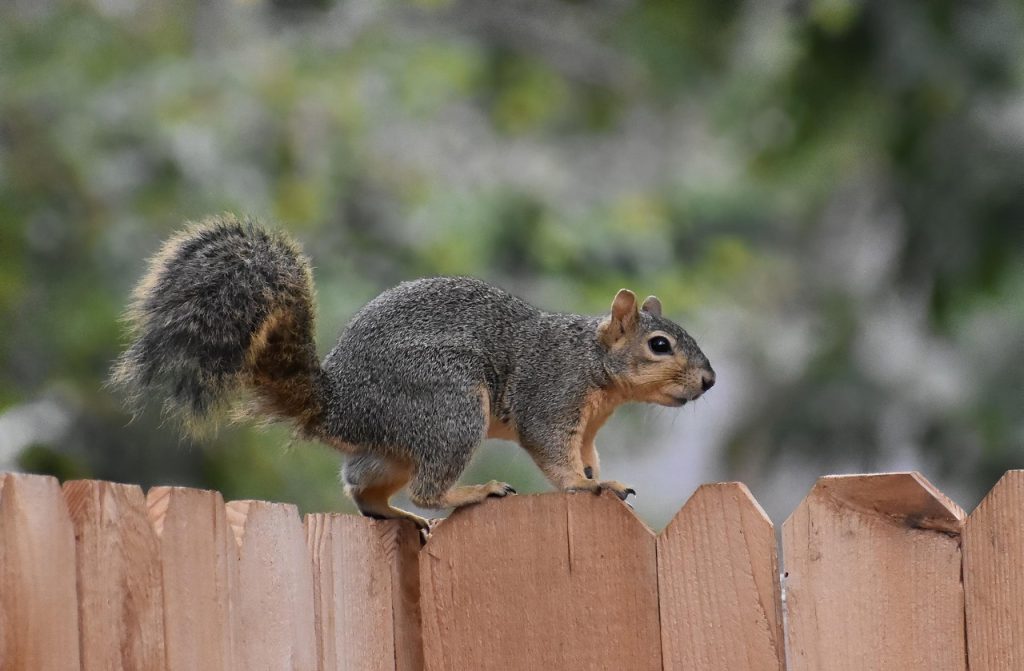
Squirrel prevention begins with a simple observation: squirrels rarely damage a home by chance. Roof gaps, uncapped chimneys, overhanging branches and easy access to food can turn an otherwise secure building into a nesting site, where gnawing and nesting materials may harm wiring, insulation and ventilation. Because these animals are agile and persistent, lasting home protection depends on addressing the routes and openings that attract them—not just chasing them away. A careful inspection can reveal vulnerable points before minor wear becomes a larger repair, while humane, well-timed exclusion helps prevent animals from being trapped inside. The right approach combines routine maintenance with targeted squirrel-proofing, taking account of seasonal activity and local wildlife rules.
Squirrel Prevention Starts at the Roofline
The roof is often the first place to check because squirrels can climb trees, fences and rough exterior surfaces to reach it. Look for damaged shingles, loose fascia boards, gaps around roof vents and openings where utility lines enter; even a small weakness may provide access to sheltered spaces.
Roofline Maintenance and Roof Repair
Prompt roof repair can close access points before they become established entry routes. Durable materials, securely fitted vents and properly maintained eaves are more effective than temporary patches that loosen in bad weather or give squirrels a surface to gnaw.
A sound roof also supports the wider resilience of a home. For more on the relationship between roofing and household protection, see this guide to how a healthy roof protects a home.
Tree Trimming and Chimney Caps
Branches that touch or hang close to the roof can act as a direct bridge. Thoughtful tree trimming reduces that access, while a professionally installed, sturdy chimney cap helps prevent entry through the flue without obstructing ventilation.
These measures work best as part of a wider inspection rather than as isolated fixes. Keep roof drains clear and check that caps, screens and exterior fittings remain firmly attached.
Attic Protection Through Careful Exclusion
An attic offers warmth, shelter and materials that squirrels can use for nesting. Signs of activity may include scratching noises, droppings, torn insulation or gnaw marks; however, these clues should be assessed carefully, since other wildlife can leave similar evidence.
Attic protection starts by locating entry points and checking whether animals or young are inside. A wildlife professional can determine an appropriate, humane way to let animals leave before vulnerable gaps are sealed. This sequence matters: exclusion without inspection may trap wildlife and create a more difficult problem.
Entry Sealing and Squirrel-Proofing
Once the attic is confirmed clear, openings can be secured with materials designed to resist chewing and weather. Pay particular attention to roof joints, vents and the edges around pipes; a small unprotected gap can undermine an otherwise thorough repair.
Good squirrel-proofing also means checking the work over time. Seasonal temperature changes and storms can loosen fittings, so periodic exterior inspections help keep newly secured areas effective.
Inspection, Safety and Wildlife Control
Attics can contain droppings, damaged electrical wiring and unstable insulation, making close inspection a safety concern. Avoid handling wildlife or disturbing nesting material; a qualified wildlife control professional can assess the situation and advise on humane, lawful next steps.
When the source of the noise or damage is unclear, an inspection is more useful than guessing. The goal is not simply to remove an animal, but to prevent repeat access while protecting the building and any wildlife within it.
Home Protection Through Ongoing Prevention
Once immediate entry risks are addressed, routine maintenance can make the property less inviting. Secure rubbish and outdoor food, clean up fallen fruit and birdseed, and inspect sheds or other outbuildings for gaps. These small habits support pest prevention by reducing easy food sources and overlooked shelter.
A consistent schedule makes checks easier to remember. Review the roof and exterior after severe weather, and look for new gnaw marks or disturbed screens as the seasons change; early repairs are generally simpler than restoring areas after extensive nesting.
Prevention Measures Around the Property
Several straightforward measures can reduce access and discourage repeat visits. Their effectiveness comes from combining building maintenance with sensible management of the surrounding area.
- Trim branches that provide an easy route to the roof, while following local guidance for tree care.
- Keep vents and chimney openings covered with suitable, firmly secured screens or caps.
- Store rubbish in closed containers and remove fallen fruit or spilled seed from the ground.
- Inspect roof edges, soffits and attic vents regularly for gaps, loose fittings or gnaw marks.
No single measure guarantees that squirrels will stay away, but several well-maintained barriers can make access considerably harder. For a broader look at roof condition and household safeguards, consult this overview of roof health and connected-home protection.
Repair Priorities and Seasonal Checks
Different warning signs call for different responses, so matching the concern to the next step can prevent wasted effort. The table below offers a practical starting point; suspected wildlife inside the building should be assessed before any opening is closed.
| Warning sign | Possible concern | Recommended response |
|---|---|---|
| Loose roof edge or damaged shingle | A potential entry point or weather exposure | Arrange an inspection and repair the roof defect |
| Scratching or movement in the attic | Wildlife may be nesting inside | Seek a qualified assessment before sealing gaps |
| Branches close to eaves | An easy route onto the roof | Arrange appropriate tree trimming |
| Open chimney or damaged vent screen | Access to sheltered interior spaces | Fit a suitable cap or screen after checking for animals |
Roof access, wildlife exclusion and attic cleanup can involve safety risks or local regulations, so professional advice is valuable when activity is confirmed or repairs extend beyond routine maintenance. A qualified roofing or wildlife specialist can recommend measures suited to the building and provide a focused plan for lasting home protection.