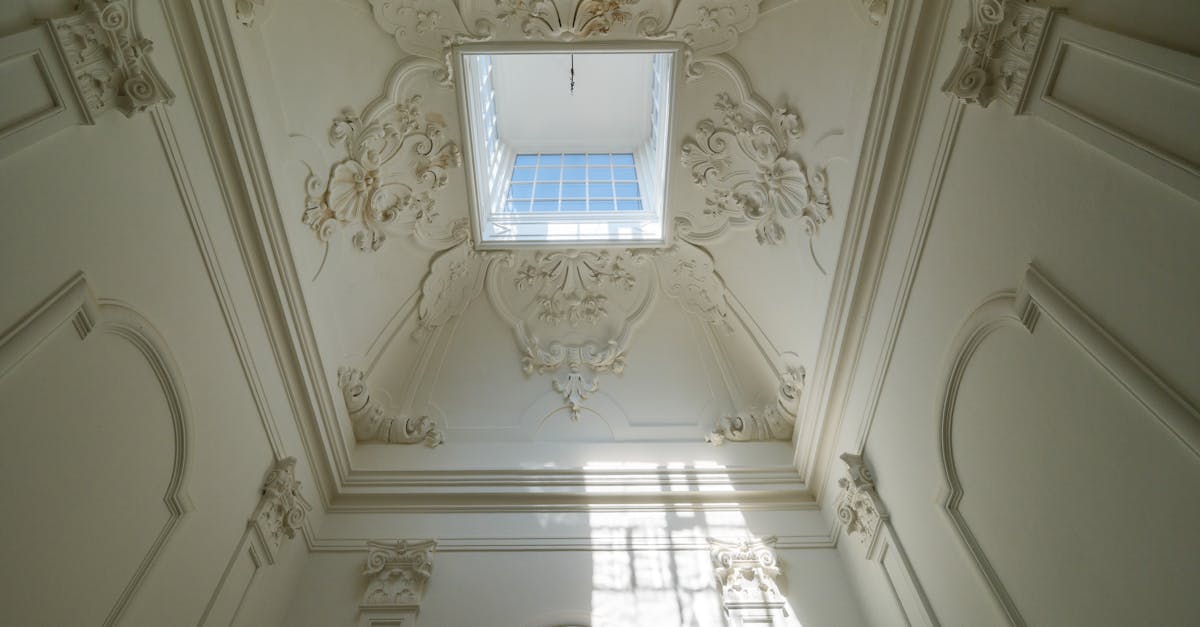
Decorative molding is a timeless architectural detail that can dramatically elevate the aesthetic of any interior space. Once considered exclusive to historic homes and traditional styles, this element has found new life in contemporary design, offering a versatile way to add elegance and personality. Whether you aim to highlight ceilings, doorways, or walls, incorporating molding can bring depth and charm without overwhelming your existing decor.
Architectural Molding: Bridging Tradition and Modernity
At first glance, decorative moldings evoke images of classic Federal-style homes or stately brownstones. However, interior designers now skillfully blend these elements with modern furnishings to create spaces that are both inviting and sophisticated. This blend makes rooms feel complete and imbues them with character and warmth.
For example, pairing an ornate archway with sleek, steel-framed glass doors introduces a contemporary edge, ensuring the architectural feature feels fresh rather than dated. This technique balances tradition and innovation, allowing the molding to stand out as a centerpiece without overpowering the room. Such an approach also enhances natural light and flow within the space, creating a harmonious and airy atmosphere.
Incorporating architectural trim is not just about decoration—it fosters a subtle dialogue between old-world craftsmanship and present-day style. The key lies in maintaining restraint, allowing the moldings to complement modern design elements elegantly.
Creative Ways to Use Decorative Molding Throughout Your Home
Transforming a room with molding offers countless opportunities for creativity. From enhancing ceilings to framing walls and openings, these details can redefine your interiors in visually striking ways.
Enhancing Ceilings with Molding
Often called the “fifth wall,” ceilings provide a broad canvas for design innovation. Adding crown molding or coving can elevate an ordinary ceiling into a stunning architectural feature. When painted in coordinated or contrasting tones, these moldings emphasize room height and create a sense of intimacy and coziness.
For a more dramatic effect, consider installing a decorative ceiling rose around a central light fixture. This technique grounds the fixture and adds an elegant focal point. Lightweight materials for such features simplify installation, allowing you to upgrade your ceilings without extensive remodeling.
Defining Walls and Spaces
Wall moldings, including wainscoting and picture rails, add dimension and texture to otherwise plain surfaces. Painting these features in tonal variations—often referred to as “double drenching”—intensifies their impact while maintaining a refined look. These treatments not only protect walls but create visual rhythm that enhances the overall room design.
Incorporating alcove shelves framed by applied molding serves the dual purpose of increasing storage and drawing attention to architectural details. This approach preserves wall space while providing charming display opportunities and strengthens the relationship between modern utility and traditional character.
Architectural Trim for Doors and Windows
Door and window casings frame openings with style and function. Selecting casing molding that echoes other decorative elements ensures a cohesive design flow throughout your home. For those seeking simpler installation, peel-and-stick molding options offer an effortless means to add charm and sophistication, even in rental properties or temporary spaces.
Choosing the Right Molding Styles and Finishes
The wide variety of molding types, styles, and finishes allows customization based on your home’s architectural context and personal taste. Making informed choices can highlight your interiors beautifully.
Victorian designs are rich with intricate details and ornate profiles, ideal for those desiring opulence and historical authenticity. In contrast, Craftsman-style molding favors straight lines and understated elegance, suiting minimalist and rustic environments alike.
Paint finishes and colors significantly influence the molding’s visual effect. Monochromatic schemes, where walls, ceilings, and trim share the same shade and finish, create seamless continuity. Alternatively, contrasting colors can accentuate moldings, spotlighting their craftsmanship and architectural interest.
Professional painting tips can help you achieve flawless results. Opting for paint finishes that work well on various surfaces, including wood and metal, ensures durability and a cohesive appearance. If dealing with older moldings, gently stripping multiple paint layers reveals beautiful original details.
Type of Molding
Typical Use
Style Examples
Crown Molding
Wall-ceiling junction
Victorian ornate, Craftsman simple
Baseboard
Wall-floor transition
Traditional, minimalist
Chair Rail
Mid-wall protection and decoration
Beaded, flat panel
Picture Rail
Art hanging with no wall damage
Classic, subtle
Wainscoting
Lower wall paneling
Beadboard, raised panel
Door/Window Casing
Frames openings
Plain, decorative
Ready to transform your interiors with stunning decorative moldings? Contact Builders Surplus for expert advice and a wide selection of quality molding options.