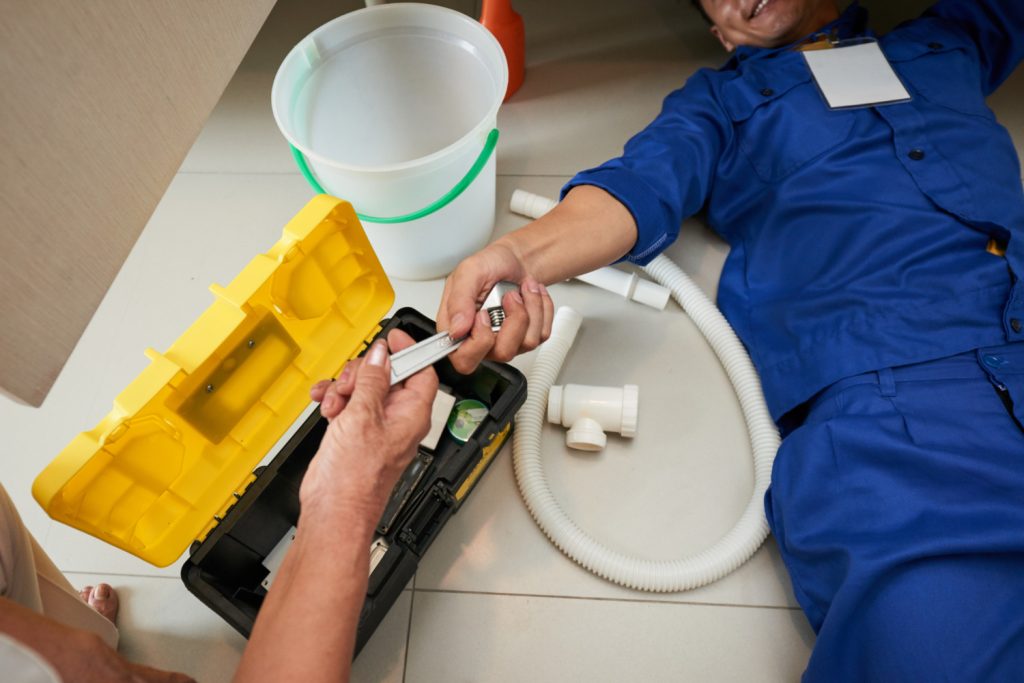
Drain replacement involves completely removing the existing, damaged pipes and installing new ones. This traditional approach is well-understood but can lead to significant disruption in landscaping and necessitates considerable labor and time. On the other hand, pipe relining is a more modern approach that repairs existing pipes from within, creating a new pipe inside the old one with a resin-saturated liner. This technique is less intrusive, often requiring fewer resources and causing less disruption.
Pipe Relining: A Modern Drain Repair Solution
Pipe relining has revolutionized the way homeowners approach draining issues. This method offers a less invasive alternative that can save time and money, making it an appealing option for many. It involves enhancing the existing pipe rather than replacing it entirely, which can alleviate many of the drawbacks associated with traditional methods.
The Pipe Relining Process
The pipe relining procedure is designed to be efficient and less invasive. Here’s a step-by-step look at how it typically unfolds:
- Initial Inspection: A camera is sent down the drain to assess the condition of the pipes. This helps in understanding the type and extent of damage.
- Cleaning the Pipes: High-pressure water jets are utilized to clean the pipes thoroughly, removing any debris, roots, or build-up.
- Liner Preparation: A flexible, resin-coated liner is prepared, ensuring it fits the existing pipe structure perfectly.
- Liner Installation: The prepared liner is inserted into the existing pipe and inflated to ensure it molds into the shape of the old pipe, creating a new inner wall.
- Curing Process: The resin is then cured, usually with heat or UV light, hardening it into a stable and durable pipe.
This method can often be completed in a fraction of the time needed for replacement, with many jobs wrapped up within one to two days, preserving the landscaping and minimizing disruptions.
Comparative Costs and Performance Between the Two Methods
When evaluating whether to proceed with drain replacement or pipe relining, it’s essential to consider both cost implications and the expected longevity of each solution. The table below offers a side-by-side comparison of the costs and performance metrics associated with each method:
| Factor | Drain Replacement | Pipe Relining |
|---|---|---|
| Installation Time | 3-7 days | 1-2 days |
| Cost for 5m Run | £2,500-5,000 | £1,200-2,500 |
| Disruption Level | High | Minimal |
| Lifespan | 40-70 years | 30-50 years |
| Suitability | Severe damage or complete collapse | Localized damage |
Factors to Consider When Choosing Between Drain Replacement and Pipe Relining
Deciding between these two options can depend on several factors, including the severity of the damage, accessibility, and potential disruption. Homeowners should consider the following:
- Extent of Damage: If the pipes are severely compromised or collapsed, replacement is typically the safest option.
- Type of Damage: For localized damage, pipe relining may suffice, while overall degradation may necessitate complete replacement.
- Budget Considerations: Pipe relining tends to be more cost-effective, especially when additional restoration costs are considered.
- Time Constraints: Those in urgent need of plumbing solutions may find the quicker turnaround of pipe relining more beneficial.
- Disruption Levels: If preserving the external environment is important, such as gardens or driveways, pipe relining offers significant advantages.
Ultimately, both drain replacement and pipe relining have their place in modern plumbing practices. Understanding the unique characteristics and suitability of each method empowers homeowners to make educated decisions, ensuring they choose the best solution for their specific circumstances.
Advanced Drainage Solutions: Long-Term Sustainability
In 2026, with growing concerns about sustainability and environmental impact, advanced drainage solutions are becoming increasingly important. Homeowners are encouraged to opt for methods that not only solve immediate plumbing issues but also contribute to long-term sustainability. For instance, materials used in drain replacement can affect the overall environmental footprint of a home.
Moreover, regular pipe maintenance helps preserve both replacements and liners, extending their lifespans. Techniques such as routine inspections, timely repairs of minor damages, and avoidance of harsh chemical cleaners can greatly enhance the durability of plumbing systems. Homeowners should prioritize pipeline inspections to preemptively address potential problems, thereby avoiding costly emergencies down the line.
Integrating these proactive measures into regular home maintenance routines will support both the efficiency and effectiveness of the chosen plumbing solutions, ensuring that homeowners not only meet their immediate needs but also align with broader environmental goals.
For those looking to enhance their plumbing systems sustainably, seeking professional advice is crucial. Various plumbing services offer comprehensive inspections to detect issues before they escalate. Equipped with the right knowledge and tools, homeowners can maintain optimal drainage and sewer systems while minimizing their environmental impact.