The presence of mold in homes and commercial buildings poses a significant health risk, making mold remediation an essential service in today’s society. Mold thrives in damp environments, leading to potential damage to structures and adverse health effects for occupants. As we step into 2026, awareness about mold and its implications has significantly heightened. This awareness is compelling property owners to seek professional help rather than attempting DIY mold removal. But what does mold remediation entail? This article delves into the crucial steps involved in professional mold remediation, ensuring a safe and effective approach to this pervasive problem.
Understanding the Mold Remediation Process
Mold remediation is a meticulous and systematic approach, carried out by trained specialists dedicated to identifying, containing, and removing mold from affected areas while addressing the root causes of contamination. According to industry standards set by organizations like the Institute of Inspection, Cleaning, and Restoration Certification (IICRC), the process follows a series of well-defined steps designed to ensure thorough remediation and minimize the risk of future growth.
The initial phase begins with a comprehensive mold inspection and assessment to determine the presence and extent of mold contamination. This is crucial as it shapes the overall remediation strategy. Professionals employ tools such as moisture meters to assess humidity levels and discern areas at risk for mold growth. The insights gained guide the subsequent steps, ensuring that the remediation is tailored to the specific situation.
Once the inspection is complete, the next step involves identifying sources of moisture, which are often responsible for mold proliferation. Failure to address these moisture sources undermines the remediation efforts, as mold can quickly return if conditions remain favorable. Hence, specialists meticulously check for leaks, high humidity levels, and other related issues, establishing a comprehensive understanding of the environmental factors at play.
Controlling the affected areas is vital to ensure that contaminants do not spread during the remediation process. This involves isolating the contaminated zones from the rest of the building, utilizing barriers, and manipulating air flow to prevent mold spores from traveling beyond the work area.
Step-by-Step Approach in Mold Remediation
Here is a detailed outline of the steps involved in the mold remediation process:
- Mold Inspection and Initial Assessment: Trained professionals begin with a thorough visual inspection, moisture readings, and evaluation of susceptible materials to ascertain the scope of the problem.
- Identifying Moisture Sources: Technicians focus not only on visible mold but also on detecting hidden moisture sources such as leaks or condensation.
- Containment of Affected Areas: Effective containment strategies, including physical barriers and negative air pressure systems, are implemented to prevent cross-contamination.
- Air Filtration and Environmental Controls: High-efficiency particulate air (HEPA) filters are employed to capture airborne spores, thereby maintaining air quality during remediation.
- Mold Removal Process: Technicians remove and dispose of contaminated materials, while non-porous surfaces are treated and cleaned appropriately.
- Drying and Moisture Stabilization: Professionals use dehumidifiers and fans to dry affected structures, minimizing the risk of recurrence.
- Post-Remediation Evaluation: A final assessment ensures that the mold remediation objectives are met, and recommendations for future maintenance are provided.
Why Professional Mold Remediation is Essential
The importance of opting for professional mold remediation cannot be overstated. Many homeowners underestimate the risks associated with mold exposure, often attempting to handle remediation themselves. However, this can lead to ineffective cleanup and even exacerbate the problem. Professionals bring a wealth of experience and specialized equipment, ensuring not just removal but also prevention of future occurrences.
One significant advantage of hiring experts is their knowledge of the latest techniques and technologies available in mold remediation, which are continuously evolving. For example, the use of advanced air filtration systems significantly enhances air quality during and after the remediation process, showcasing a commitment to long-term solutions.
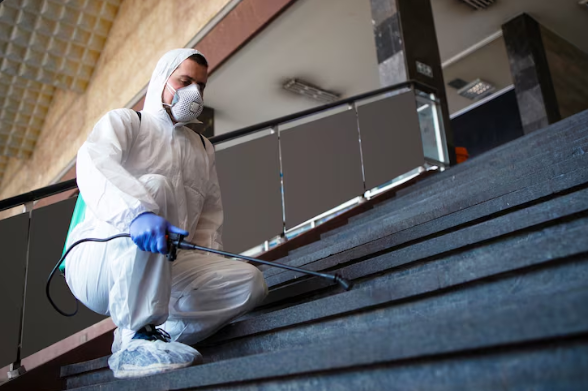
Moreover, professionals conduct their work with health and safety in mind, employing PPE (personal protective equipment) and following industry best practices to protect themselves and residents alike. This aspect reduces the risk of health-related issues that can arise from mold exposure, including respiratory problems and allergic reactions.
Advantages of Professional Mold Remediation Services
Consulting a professional mold remediation service provides numerous benefits. One of the primary advantages is the comprehensive nature of the service, which goes beyond mere removal to include preventive measures. Professionals assess the building condition and implement modifications to deter future mold growth, such as enhancing ventilation and addressing moisture issues.
Professional services also involve detailed documentation, which can be essential for insurance claims or legal issues related to property damage. Their methodical approach generates valuable records, affirming that the remediation was performed according to industry standards, ensuring all parties are protected.