When installing a new HVAC system, the stakes are high; not only does it impact the comfort of your home, but it also affects your energy efficiency and long-term expenses. Many homeowners make critical mistakes during installation that can lead to increased energy bills, frequent repairs, and a shorter lifespan for their systems. Understanding and avoiding these common pitfalls is essential for ensuring a successful HVAC installation. Below are five essential tips to help you steer clear of costly mistakes.
Understanding the Importance of Proper Sizing
One of the most overlooked aspects of HVAC installation is properly sizing the system for your home. An incorrectly sized unit can significantly affect comfort, efficiency, and long-term costs.
How to Determine the Right Size
Understanding the heating and cooling needs of your space begins with determining the appropriate BTU (British Thermal Unit) requirements. Generally, you will need approximately 20 BTUs per square foot of living space. However, this baseline can fluctuate based on various factors such as:
- Ceiling Height: Higher ceilings require more cooling power.
- Insulation Quality: Well-insulated homes retain heat and cool air better.
- Local Climate: Humidity and temperature extremes play a significant role.
- Room Purpose: Kitchens often need substantially more cooling due to heat-generating appliances.
Employing a professional energy audit can help determine precise calculations tailored to your home’s specific characteristics, ensuring you avoid the costly mistake of oversized or undersized units.
The Costs of Incorrect Sizing
Oversized units lead to short cycling, which can waste energy and reduce humidity control. Conversely, undersized units run constantly, leading to insufficient cooling and excessive wear over time. Both scenarios can cost homeowners significantly:
| Incorrect Sizing Type | Potential Costs | Additional Issues |
|---|---|---|
| Oversized | $2,000-$3,500 in energy costs | Frequent repairs, increased wear and tear |
| Undersized | Increased energy bills by 20-30% | Insufficient cooling, uncomfortable temperatures |
Given these ramifications, it is critical to ensure proper sizing calculations before choosing a system.
Prioritizing Quality Ductwork Design
The ductwork is often the unsung hero of HVAC efficiency, yet poor design or installation can result in major inefficiencies. Improperly sized ducts can reduce system efficiency by up to 30%, potentially negating the benefits of even the most advanced units.
Key Considerations for Ductwork
When installing ductwork, several key issues can arise:
- Kinks and Leaks: Informal or hasty installations may lead to improper joints that lose conditioned air, causing pressure imbalance.
- Insufficient Return Air Paths: A lack of return ducts can lead to negative pressure areas in the system, causing inefficiencies.
- Flexible Ductwork Considerations: While flexible ducts are easier to install, they must be done correctly to avoid kinks that obstruct airflow.
To ensure optimal efficiency, evaluate current ductwork or design new ducts that cater specifically to your system’s requirements.
Signs of Poor Ductwork Installation
If you’re experiencing issues post-installation, keep an eye out for signs of poorly designed ductwork, such as:
- Uneven temperatures between rooms
- Excessive dust buildup in your home
- Unusual noises from ducts
- Higher-than-normal energy bills despite moderate usage
Catching these problems early can save you from significant future costs and ensure a more comfortable living environment.
Ensuring Proper Refrigerant Charging
Another critical aspect of HVAC installation is refrigerant charging, which directly affects a unit’s efficiency and lifespan. Incorrect refrigerant levels can substantially impair system performance.
Why Correct Refrigerant Levels Matter
The correct charge ensures that your HVAC system operates efficiently. Undercharging can lead to a reduction in cooling capacity by up to 30%, while overcharging can decrease efficiency by 25% and damage the compressor. Professional installation should include:
- Measuring and verifying refrigerant levels
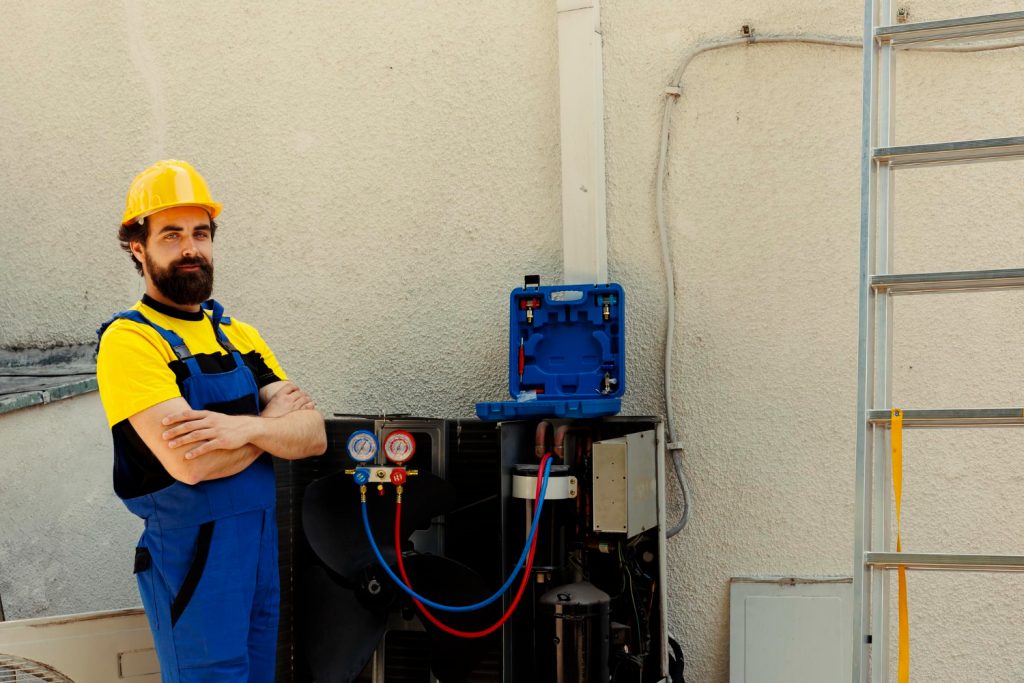
- Using calibrated gauges for precise charging
- Ensuring that readings on subcooling and superheat levels conform to manufacturer specifications
Inaccuracies often arise when relying solely on pressure readings, neglecting the more nuanced aspects of HVAC science. Employing certified professionals to handle these tasks is crucial.
Symptoms of Improper Refrigerant Charging
Recognizing the signs of improper refrigerant charging can save you from future liabilities:
- Inability to cool rooms sufficiently
- Ice formation on the evaporator coil
- Unusual noises coming from the system
- Increased energy costs
These symptoms can indicate pending failures, which, if neglected, could lead to costly repairs.
Avoiding Electrical Installation Mistakes
The electrical components of an HVAC system demand careful attention. Many homeowners overlook the significance of proper wiring and electrical setups, which can jeopardize their system’s performance and safety.
Electrical Requirements for Modern Systems
Modern high-efficiency systems often require specific electrical conditions to operate effectively. This typically involves:
- Dedicated Circuits: Ensuring adequate amperage (20-30 amps) specific to HVAC units.
- Correct Gauge Wiring: Utilizing the right wiring gauge (usually 10-12 AWG) prevents overheating.
- Sufficient Electrical Panel Capacity: Most modern units need 220-240 volts, highlighting the necessity for an upgraded panel in older homes.
Choosing to bypass professional assistance can lead to significant safety risks, potential property damage, and voided guarantees.
The Risks of DIY Electrical Work
Many DIY enthusiasts believe they can save money by performing their own electrical setups. However, this approach can expose homeowners to various risks:
- Potential fire hazards due to incorrect wire gauge or connections
- System inefficiencies that can inflate energy bills
- Void warranties and legal liabilities due to code violations
- Safety hazards, including electrocution
Professional electricians are trained to ensure compliance with NEC requirements, making them a valuable investment for your HVAC installation.
Choosing Qualified Installers Wisely
The final piece of the puzzle lies in selecting the right professionals for your HVAC installation. Many homeowners might opt for the lowest bid, leading to potentially disastrous results.
What to Look for in HVAC Professionals
Hiring unqualified or unlicensed people can cost you significantly more in the long run. When evaluating potential installers, ensure they:
- Have certifications from reputable organizations
- Possess valid state contractor licenses and sufficient insurance coverage
- Can provide references and demonstrate proven experience
- Follow all local regulations and safety guidelines
Inadequate installations can lead to further damages, frequent service calls, and voided warranties, resulting in overall financial strain.
The True Cost of Choosing the Cheapest Option
While budget installations may save some money upfront, they can inflate long-term costs dramatically. Homeowners can expect:
- 30-40% higher energy bills due to inefficiencies
- Emergency repairs that can average $800-$1,500
- Potential for unprecedented system failure within just a few years
Investing in experienced professionals is critical for ensuring your HVAC system operates efficiently and lasts for years.
By understanding these HVAC installation tips and avoiding common mistakes, you can save yourself a significant amount of money in future repairs and ensure a more comfortable and efficient living environment. For more expert advice on home installation and maintenance services, check out Costa Mechanical.