
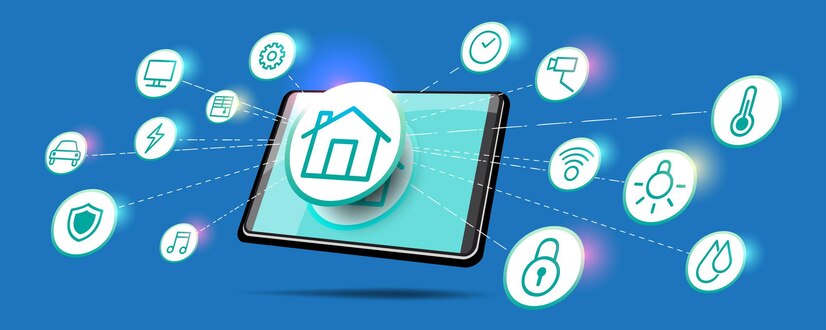
As technology advances, the integration of intelligent systems into our living spaces is no longer a futuristic concept; it’s a present-day reality. This transformation is facilitated by domotic technology, which encompasses an array of smart systems designed to automate and enhance everyday household tasks. Whether it is regulating temperature, controlling lighting, or reinforcing security, domotic technology provides a seamless blend of comfort, efficiency, and safety in our homes. The implications of these technologies are profound, indicating a significant shift in how we interact with our domestic environments.
Understanding Domotic Technology
The term domotic is derived from the Latin word domus, meaning home, combined with elements of robotics and automation. This fusion signifies a sophisticated ecosystem where technology is deployed to create a more manageable and enjoyable living experience. Domotic technology serves as the nervous system of a smart home, enabling smooth control over various household functions through digital interfaces or voice commands. Today, more than ever, it has become essential for enhancing energy efficiency, improving time management, and ensuring security in our homes.
Core Components of Domotic Systems
To fully appreciate the impact of domotic technology, understanding its core components is essential. These elements work in unison to streamline household management, facilitating daily operations. Here are two primary components:
- Smart Sensors and Devices: These are the fundamental building blocks of any smart home. Sensors can detect a variety of conditions—ranging from light intensity to temperature fluctuations—and relay this information to automated systems. For instance, when you walk into a room, motion sensors can trigger lights to turn on, enhancing convenience.
- Centralized Control Systems: Centralized controllers often take the form of smartphone applications or voice-activated assistants like Amazon Alexa or Google Nest. These applications enable users to manage multiple devices easily, whether at home or remotely. Integration of devices ensures that everything operates harmoniously, optimizing functionality.
Benefits of Domotic Technology in Daily Life
The advantages of implementing domotic systems are diverse and significant, impacting various facets of household management. The convenience of controlling multiple devices with a simple tap or voice command is a far cry from traditional home management. Today, households transformed by domotic technology experience improved energy efficiency, enhanced security, and a level of comfort previously unattainable.
Energy Savings and Efficiency
One of the standout benefits is the potential for energy savings. Domotic systems can monitor energy consumption, allowing homeowners to regulate their usage more effectively. Automated lighting can turn off in unoccupied rooms, and smart thermostats adjust heating and cooling based on real-time occupancy data. The combination of these features results in not only monetary savings but also a more eco-friendly home.
Enhanced Home Security
Home security is another area where domotic technology shines brightly. Modern smart homes are equipped with sophisticated surveillance systems, including smart cameras and motion sensors seamlessly connected through platforms like Ring or Arlo. These devices enhance safety by providing real-time notifications to homeowners about any suspicious activities, thus facilitating prompt responses to potential threats.
Convenience and Home Management
The ease of managing home functions remotely has empowered homeowners to maintain better oversight of their domestic environments. Imagine receiving alerts about doorbell activity while on vacation or adjusting the thermostat from your workplace. Domotic technology provides a level of control that enhances overall lifestyle quality.
Common Applications of Domotic Technology
Domotic technology has numerous applications that greatly improve comfort and functionality within homes. Here are some of the most prominent areas where smart systems excel:
- Home Security and Surveillance: Smart cameras, doorbells, and locks allow monitoring and control over access points in real-time.
- Smart Lighting: Systems like Philips Hue facilitate customizable lighting solutions that can adapt to user preferences and routines.
- Climate Control: Smart thermostats such as Ecobee learn from household patterns, optimizing temperature settings to increase comfort while reducing energy costs.
- Home Appliances: Explicitly designed systems allow users to monitor appliance performance, enhancing both efficiency and usability.
How Smart Devices Collaborate
For domotic systems to operate effectively, seamless integration among devices is crucial. Combining different smart systems maximizes their capabilities and enhances user experience. For example, integrating lighting systems with smart speakers allows users to adjust lighting levels with voice commands, creating an intuitive living environment. Homeowners can program timed events to link various functions, such as dimming lights and lowering shades simultaneously for movie night.
The Future Trends in Domotic Technology
As we look to the future, the evolution of domotic technology unfolds promising trends that will further enhance our living experiences. AI and machine learning will play pivotal roles in advancing how smart homes operate, with systems increasingly becoming more adaptive and user-centric. As these technologies improve, predictability and responsiveness will become standard features of modern homes.
Voice Control Enhancements
Voice-activated systems are evolving rapidly. New advancements allow for multi-lingual commands and contextual understanding, meaning smart assistants can respond to more complex queries and scenarios. As these systems enhance their capabilities, users will find greater ease in managing their homes.
Interconnectivity and Green Solutions
In the realm of sustainability, the integration of renewable energy solutions, such as solar panels, into domotic systems is gaining traction. Homes will be equipped with intelligent systems that not only optimize energy consumption but also harness and redistribute energy effectively, reducing dependence on traditional utility sources.
The Role of 5G Technology
The advent of 5G technology is set to propel domotic systems further into mainstream society. Faster, more reliable connections will enhance the functionality of smart devices, allowing them to operate more efficiently and respond in real-time to user commands.
Getting Started with Domotic Technology
For homeowners considering the transition to a smart living environment, starting small is a practical approach. It can be daunting to undertake a complete overhaul of home systems, but focusing on select areas allows for gradual integration of domotic technology. Here’s a simple guide:
- Identify Key Areas for Automation: Recognize portions of your home that can benefit from automation, such as lighting, security, or climate control.
- Select Basic Devices: Start with user-friendly products like smart plugs or simple lighting systems to get acclimated.
- Choose a Central Control Platform: Platforms like Amazon Alexa or Google Nest can allow for easier integration of devices.
- Secure Your Network: Ensuring a reliable Wi-Fi connection is critical for successful interactions among smart devices.
- Gradual Expansion: As confidence grows, gradually incorporate more advanced systems and functions.
Overcoming Initial Hesitation
The journey toward a smart home does not need to be overwhelming. Many online resources delineate effective and budget-friendly strategies for integrating domotic technology. With a clear plan, homeowners can systematically upgrade their living spaces without feeling pressured to automate everything at once. For additional guidance, consider exploring options on how to get your home automation on a budget.