
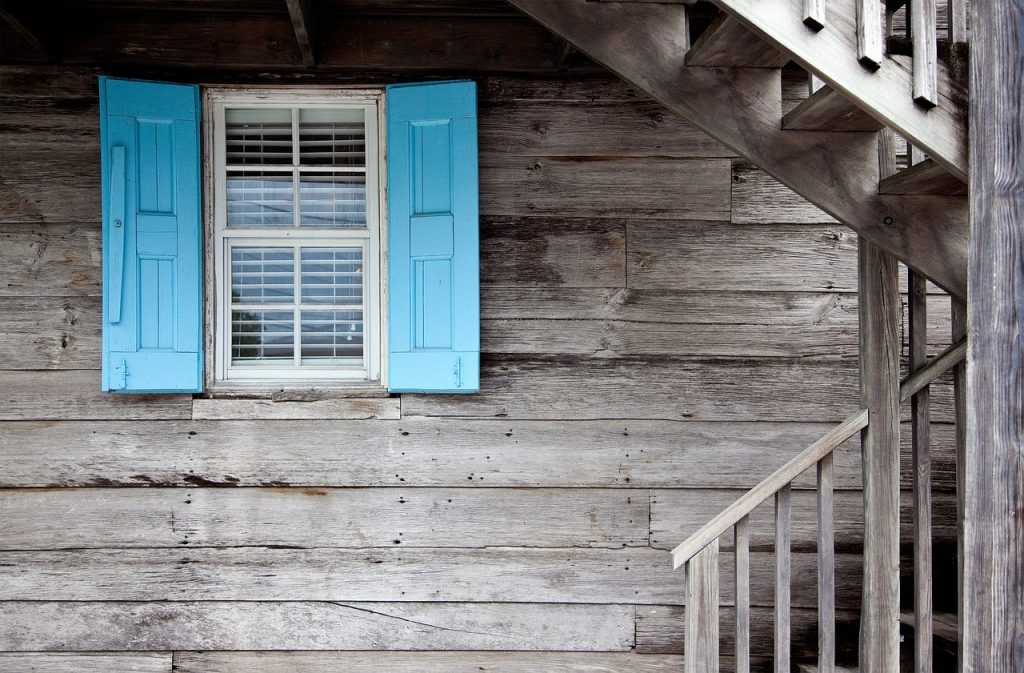
Custom window shutters do more than frame a view: they influence how a room feels, how much daylight enters, and how comfortably private it remains. Made to suit a window’s dimensions and a home’s character, they can connect practical needs with a considered approach to home style, from traditional interiors to clean, contemporary spaces.
Unlike many window treatments, shutters have a substantial, architectural presence. Their adjustable louvers offer responsive light control, while their materials, colors, and finish help tie together interior design and home decor. From the street, well-proportioned shutters can also strengthen curb appeal; indoors, they offer a lasting way to shape the atmosphere of a room.
Designing custom window shutters for a cohesive home style
Because shutters are fitted to individual openings, their proportions can complement the architecture instead of competing with it. Narrow louvers and restrained finishes may suit a minimalist interior, while wider panels or a classic profile can reinforce the character of a traditional home. The goal is not to match every detail, but to create a visual connection between the window, the room, and the façade.
Color has a similar effect. A shade that echoes trim can make shutters feel built in, whereas a contrasting tone turns them into a deliberate feature. For wider home improvements, pairing window updates with other considered changes can create a more unified result; these ideas for refreshing a home’s appearance offer useful inspiration.
Shutters also influence how a room is perceived. Their clean lines can make a window feel more defined, and their solid frames add visual weight where soft curtains might appear informal. When each opening is measured and finished with care, the treatment becomes part of the architecture rather than a separate layer of decoration.
Balancing privacy and light control with adjustable louvers
Adjustable louvers allow occupants to shape daylight without treating privacy as an all-or-nothing choice. Angled upward, they can limit direct views into a room while admitting soft light; angled downward, they can reduce glare and help protect furnishings from strong sun. Fully closed panels provide greater screening when needed.
This flexibility is useful in spaces with changing routines. Bedrooms may call for more coverage at night, while living areas often benefit from filtered daylight during the day. In bathrooms, the combination of controlled light and a more substantial barrier can be especially practical, provided the material is suitable for moisture.
Privacy also depends on the window itself. Glazing affects visibility, insulation, and the way light enters, so shutters should be considered as part of a broader window plan. For a clearer understanding of those choices, consult this guide to choosing window glazing. Together, glazing and shutters can create a more adaptable boundary between indoor life and the outside world.
Choosing shutter materials for durability and comfort
Material selection shapes a shutter’s appearance, upkeep, and suitability for different rooms. Wood offers natural grain and warmth, while engineered options can provide consistent finishes and easier care. In humid or frequently used spaces, resistance to moisture and wear deserves particular attention.
Before settling on a finish, compare the main considerations. The best choice is the one that suits both the room’s conditions and the level of maintenance expected.
- Wood: Offers a distinctive natural appearance and can be finished in a range of colors, but may need protection from excess moisture.
- Composite materials: Can provide a uniform look and practical resistance to everyday wear, making them a versatile option for many interiors.
- Moisture-resistant materials: Suit rooms where humidity is a concern, provided the product is designed for that environment.
Fit matters as much as composition. A well-made shutter should operate smoothly, sit securely, and allow convenient access to window hardware. Asking about construction, finish care, and suitability for the intended room helps prevent a beautiful choice from becoming an impractical one.
Matching materials to each room
Kitchens, bathrooms, and sun-facing rooms place different demands on window coverings. Moisture, heat, and frequent cleaning can affect finishes over time, so recommendations should account for the room’s actual conditions rather than relying on appearance alone. In a living room or study, the visual character of the material may take priority, as long as it remains easy to maintain.
Supporting curb appeal and energy efficiency
From outside, shutters can give a façade a more finished and balanced appearance when their scale suits the windows. Decorative panels should be proportioned to the opening, while operable designs can combine this architectural contribution with everyday function. A thoughtful color relationship between shutters, trim, and exterior surfaces helps the result look intentional.
Inside, closed shutters can add a layer between the room and the window, which may help moderate drafts or strong sunlight. Their effect on energy efficiency depends on installation, material, window quality, and local conditions; they should not be treated as a substitute for sound glazing or insulation. For broader household improvements, smart controls can complement manual adjustments, as outlined in this overview of home automation devices.
| Consideration | How shutters can help | What to check |
|---|---|---|
| Privacy | Adjustable louvers limit direct views while admitting light. | Window exposure and desired coverage. |
| Daylight | Slats can soften glare and direct incoming light. | Room orientation and daily use. |
| Appearance | Custom sizing and finishes complement interior and exterior design. | Window proportions, trim, and surrounding colors. |
| Comfort | Closed panels add a layer at the window. | Glazing quality, fit, and material performance. |
It is also worth considering the whole home before making a selection. A consistent finish can connect rooms, while carefully chosen variations can respond to different levels of privacy, moisture, or sunlight. A qualified window-covering professional can assess measurements, materials, and installation requirements to help tailor the result to the property.