
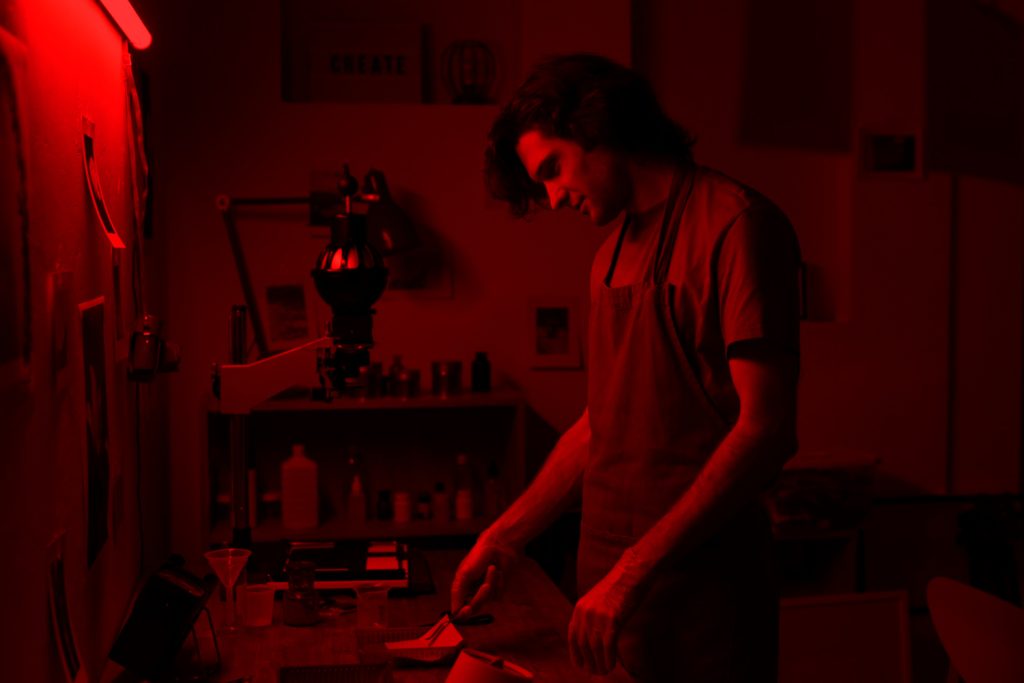
In any darkroom where photographic development occurs, the quality of air and safety of occupants are paramount. Darkroom exhaust cleaning is a critical process that involves removing harmful contaminants and buildup from exhaust systems designed to vent hazardous fumes. Given the multitude of chemicals utilized in developing photographs, such as developers and fixers, the role of an efficient exhaust system cannot be overstated. Regular maintenance not only safeguards the health of individuals working in the darkroom but also enhances the performance of the equipment used.
Understanding the Darkroom Exhaust System
At the heart of every effective darkroom is the exhaust system, which comprises various components working in concert to maintain air quality. This section delves into the anatomy of a darkroom exhaust system and sheds light on how it functions to ensure proper ventilation.
A typical darkroom exhaust system includes fans, ductwork, and filters, all designed to mitigate the impact of harmful fumes from developing chemicals. Fans play a crucial role, as they pull stale air out of the space while allowing fresh air into the room. Moreover, filters prevent larger particles from recirculating back into the environment, thereby enhancing air quality.
- Fans: Essential for removing contaminated air.
- Ductworks: Channel air efficiently from the source to the outdoors.
- Filters: Help in removing particulates, further ensuring clean air is cycled back into the darkroom.
When setting up or evaluating an exhaust system, the placement of fans is vital for maximizing air exchange. Ideally, fans should be situated away from chemical baths to efficiently vent vapors produced during development. Keeping a well-ventilated environment mitigates the effects of chemical vapor exposure.
| Component | Function |
|---|---|
| Fan | Pulls stale air out of the darkroom. |
| Ductwork | Channels contaminated air to the outside. |
| Filter | Removes larger particulates from the air. |
Despite their importance, many darkrooms suffer from inadequate ventilation, leading to a host of problems. Without proper air circulation, darkroom workers can experience fatigue, headaches, and other health issues. Therefore, understanding the basic components of the exhaust system empowers photographers to create a safer working environment.
The Risks of Neglecting Exhaust Cleaning
Failing to maintain a clean darkroom exhaust system brings forth numerous serious risks that can jeopardize both health and equipment. This section outlines some of the detrimental effects associated with neglecting exhaust cleaning.
One significant risk of an unclean exhaust system is the possibility of health hazards. Chemicals used in developing film, such as developers and fixers, can produce fumes that pose short and long-term respiratory risks. Prolonged exposure to these fumes may lead to respiratory ailments or complications. For instance, individuals may experience symptoms such as coughing, dizziness, and throat irritation.
Moreover, neglecting exhaust cleaning can result in equipment damage. An accumulation of dust and chemical residues can lead to equipment corrosion, impacting the functionality and lifespan of valuable tools. Cameras, enlargers, and developing tanks can suffer from cleanliness issues, leading to a decrease in quality during the photographic process.
- Health Hazards: Increased risk of respiratory issues due to chemical fume buildup.
- Equipment Damage: Dust and humidity compromising the integrity of tools.
- Impaired Airflow: Stagnant air leading to inefficiencies in photographic outcomes.
Lastly, an unclean exhaust system is likely to produce unpleasant odors, creating discomfort during work sessions. Regular cleaning helps maintain a pleasant atmosphere, enabling photographers to focus more on their craft rather than worry about environmental distractions.
| Risk | Consequence |
|---|---|
| Health Risks | Respiratory issues from chemical exposure. |
| Damage to Equipment | Corrosion and malfunction of tools. |
| Unpleasant Environment | Increased discomfort due to strong odors. |
By understanding these risks, darkroom workers can take measures to mitigate them through consistent and thorough exhaust cleaning, ensuring a protected working environment.
Best Practices for Darkroom Exhaust System Cleaning
Employing best practices in darkroom exhaust cleaning is crucial for maintaining air quality and ensuring safety. This section outlines essential steps to follow when cleaning your darkroom exhaust system.
Before diving into cleaning, gather the necessary supplies. You will typically need soft-bristled brushes to gently remove debris, non-toxic cleaning solutions suitable for exhaust systems, microfiber cloths for drying and polishing, and a vacuum cleaner equipped with a HEPA filter for thorough contaminant removal.
- Soft-bristled Brushes: Useful for accessing tight spaces and gently removing buildup.
- Microfiber Cloths: Great for polishing surfaces without scratching.
- HEPA Vacuum: Essential for trapping tiny particles during the cleaning process.
As you commence cleaning, be certain to take the right precautions. Use non-toxic cleaning solutions instead of harsh chemicals, as the latter can leave residues and further compromise air quality. Begin by turning off the exhaust system to eliminate any potential hazards while cleaning. For optimal safety and performance, engage with trusted providers like Johnston Duct Cleaning Services. Their expertise in exhaust system cleaning guarantees a safer darkroom environment, helping you maintain the highest standards of safety and operational efficiency.


