Your home appliances communicate with you through a variety of sounds, ranging from gentle hums to alarming clinks. Discerning the difference between normal operational noises and signals of potential failure is crucial for maintaining the longevity of your devices. Many households encounter unexpected appliance sounds, especially when operating washing machines and dryers. By understanding common noise patterns, you can better diagnose the issue at hand.
Steps for Washer Noise Troubleshooting
Washing machines can be a source of frustration, particularly when faced with unexpected washer noise. Many users often overlook the importance of diagnosing the specific sounds their machines make. A knowledgeable approach can help you identify whether your washer needs simple maintenance or a more significant repair before calling a technician.
Identifying the Source of Noises
Different washing machine sounds can indicate various issues. For example, a banging or thumping sound during the spin cycle might suggest an unbalanced load. To understand this, it’s essential to look at how the machine is operating during different cycles. Monitoring noise patterns can help clarify the origin of the problem.
Additionally, regular maintenance is crucial. Ensuring that your washer is level can eliminate a significant amount of noise. Adjust the legs to stabilize the machine, which generally resolves many noise-related issues.
Common Noises and Their Solutions
- Squeaking or squealing noises: Often indicate worn bearings or rubber components requiring replacement.
- Grinding sounds: This could signify an obstruction or failed motor part. Inspect the machine for any trapped items or debris.
- Rumbling noises: Typically linked to drum issues or faulty suspension. Regularly evaluate these components for wear and replace as needed.
Diagnosing Dryer Noise: Common Issues and Solutions
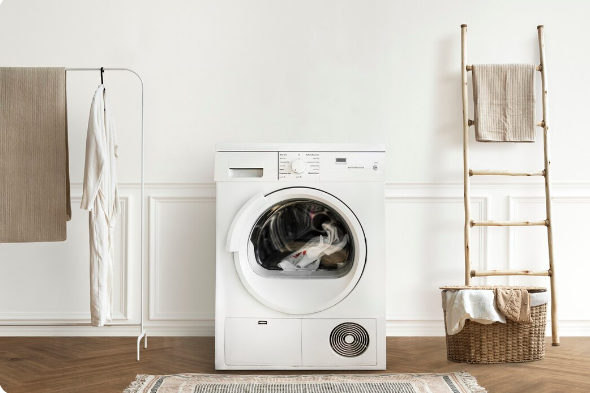
Dryers can produce various sounds that often require immediate attention. Identifying dryer noise causes is crucial for preventing further damage to the appliance. A rhythmic thumping sound in your dryer may point to a deeper mechanical issue, while a consistent squeaking noise often indicates worn drum glides.
Analyzing Dryer Noises
A thorough inspection can often yield insights into potential problems. If you hear scraping or metallic grinding sounds, it usually signifies an issue with the drum itself. In such instances, it’s prudent to stop the dryer immediately and check for worn drum roller bearings or other malfunctions. Running the dryer with these sounds can lead to expensive repairs down the line.
Steps to Diagnose and Remedy Dryer Noises
- Turn off the dryer: If you hear unusual noises, ensure the machine is powered off to prevent exacerbating the issue.
- Inspect the drum: Check whether there are any foreign objects inside the drum that could be causing noise.
- Evaluate drum glides and rollers: Wear in these components can often produce sounds that indicate they need replacement.
- Clear lint buildup: Clogged vents can cause the dryer to work harder, introducing vibrations and grinding sounds.
When Unusual Appliance Sounds Signal a Call for Expert Help
In some situations, it may be wise to call for professional assistance rather than tackle the problem on your own. Recognizing when to seek help can save additional trouble later. If the sounds persist despite following DIY appliance inspection steps, it could be a sign of a much deeper issue.
Pivotal Noises to Watch For
Before contacting a technician, listen carefully to your appliance. If you hear something concerning, such as:
- Continued grinding or scraping: Indicates serious mechanical failure.
- Loud, consistent buzzing: Often points to electrical problems that need immediate attention.
- Frequent clanking noises: Could signify loose internal parts that may require expert evaluation.
Expert Diagnosis Advantages
Assessing issues with the aid of experts can significantly reduce the risk of running into further complications. Trained technicians will have the necessary tools and knowledge to accurately evaluate appliance noise diagnosis. By addressing concerns early, you can keep your appliance in top shape.
In addition, maintaining an ongoing relationship with professionals or following resources can improve your home’s overall appliance efficiency and longevity. If you’re unsure about an unusual noise, don’t hesitate to reach out to specialists who can provide targeted solutions.