
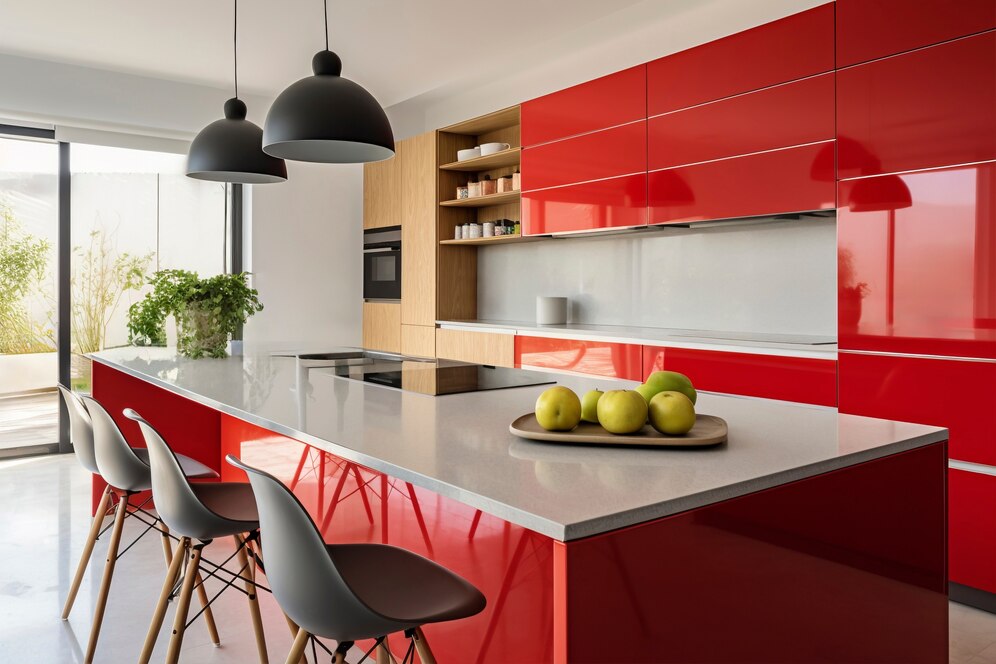
In the dynamic world of home design, kitchens are evolving into spaces that reflect both personal lifestyle and contemporary aesthetic. The modern kitchen is no longer just a functional area assigned for cooking; it has become a hub of activity that entertains, inspires creativity, and fosters family connections. With innovative design elements, smart technology integration, and sustainable material usage, the kitchen renovation trends for 2025 are here to help homeowners transform their spaces into functional yet beautiful settings.
Assessing Your Needs and Goals for a Kitchen Renovation
Understanding your motivations is crucial before embarking on a kitchen renovation journey. What do you aim to achieve? Are you focused on improving functionality, upgrading outdated appliances, or enhancing your property’s market value? Identifying your primary goals will lay the foundation for your decisions throughout the renovation process.
Begin by evaluating your current kitchen setup. Take note of what aspects work and what fails to satisfy your needs. Here are a few guiding questions:
- Does your kitchen layout allow for smooth movement and flow?
- Are there sufficient storage solutions to keep everything organized?
- Do you require more prep space for meal preparation?
- Is your kitchen equipped with the latest smart appliances to simplify cooking tasks?
By highlighting these areas of concern, you can create a prioritized list that informs your renovation strategy. For example, if storage is a major issue, consider incorporating cabinetry from reputable retailers known for their functional designs, such as IKEA and Home Depot.
Planning Your Kitchen Renovation Budget Wisely
Constructing a realistic budget is a pivotal aspect of any kitchen renovation. The costs can surge quickly, depending on the scale of the project, quality of materials selected, and whether significant structural changes are on the table. A well-defined budget will help you allocate resources efficiently, ensuring the project stays on track.
Start by breaking your budget into core categories, which might include:
| Budget Category | Estimated Percentage of Total Budget |
|---|---|
| Cabinetry | 25% |
| Appliances | 20% |
| Countertops | 15% |
| Flooring | 15% |
| Labor | 20% |
| Contingency Fund | 10% |
Furthermore, set aside at least 10-15% of the total budget for unexpected costs. Renovations can often unveil hidden issues that require additional funding, making a contingency reserve crucial. By prioritizing high-impact upgrades, such as quartz countertops over marble, you can balance between design and functionality efficiently without straining your budget.
Choosing the Optimal Layout for Functionality
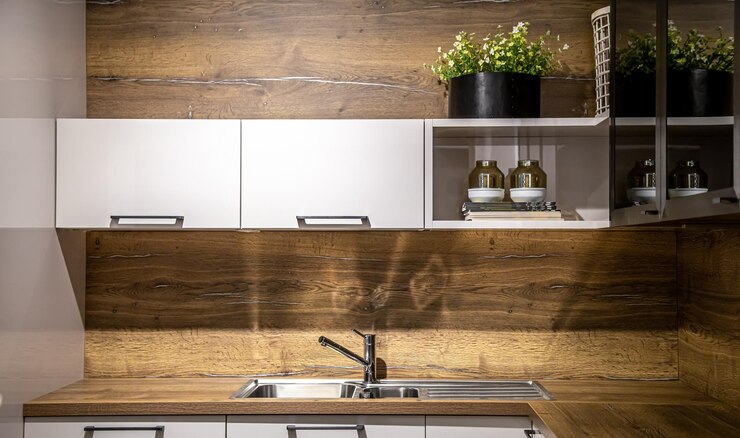
The kitchen layout plays a vital role in determining how effectively space is utilized. A carefully thought-out layout enhances movement and workflow, making cooking and entertaining seamless. Popular layout configurations in modern kitchen designs include:
- L-shaped Layout: Ideal for compact spaces and open-concept homes, facilitating a free-flowing atmosphere.
- U-shaped Layout: Offers ample storage and preparation areas, perfect for passionate cooks.
- Galley Layout: Efficient for narrower spaces, maximizing functionality with a streamlined design.
- Open Plan Layout: Fosters connectivity between the kitchen and adjacent living spaces, enhancing social interactions.
The right layout can greatly impact not only the aesthetic but also the functionality of your kitchen.
Incorporating Current Design Trends into Your Renovation
The kitchen design trends for 2025 emphasize personal style, sustainability, and technological integration. As homeowners become discerning about aesthetics, the design aspects of their kitchens reflect their values and lifestyles.
Smart Technology Integration
The rise of smart technology has significantly transformed modern kitchens. From voice-controlled ovens to refrigerators that track pantry inventory, technology enhances convenience and efficiency. Here are notable smart kitchen appliances to consider:
- Samsung Smart Fridges: Allows users to access recipes and manage grocery lists with integrated screens.
- LG Smart Ovens: Features remote control and cooking assistance via a smartphone app.
- Bosh Smart Cooktops: Offering precise temperature control for varying cooking needs.
The integration of technology ensures that kitchens are not only functional but also aligned with the digital age.
Sustainability and Material Choices
Homeowners are increasingly leaning towards sustainable materials. Utilizing Earth-friendly options not only minimizes the kitchen’s ecological footprint but also adds a unique character to the space. Some trending materials include:
- Bamboo Flooring: A durable and renewable resource that adds aesthetic appeal.
- Recycled Glass Countertops: Offers stunning visuals while being environmentally responsible.
- Caesarstone Surfaces: Made from sustainable materials that also provide a sleek, modern look.
Balancing aesthetics with sustainability is essential for creating a kitchen space that feels good and functions well.
For innovative kitchen renovation solutions tailored to your needs, contact Live Design and explore their services to bring your dream kitchen to life.


