
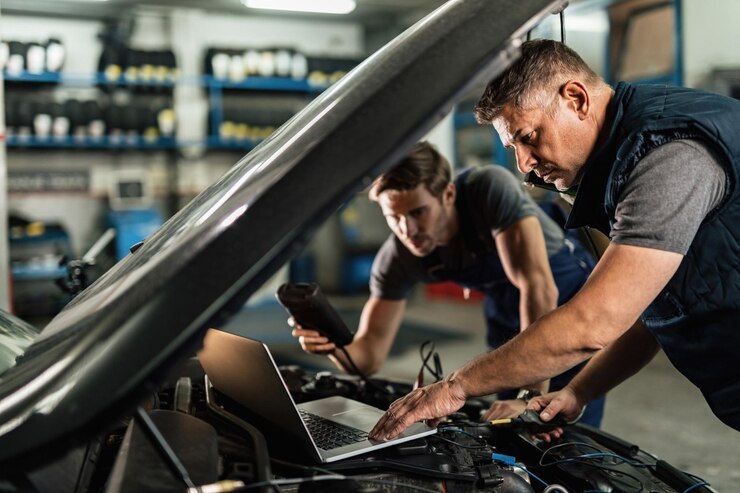
Owning a car brings a sense of freedom and convenience, but it also comes with the responsibility of regular upkeep to avoid common issues that can lead to unexpected repairs and expenses. Understanding potential problems and being proactive in maintenance can help you save time and money while ensuring your vehicle operates smoothly. In this article, we will explore the top five common car problems, their causes, and provide effective prevention tips to keep your vehicle in optimal condition.
Engine Overheating: Causes and Solutions
Engine overheating is one of the most feared issues among car owners, as it can lead to serious engine damage if not addressed promptly. An overheated engine can leave you stranded on the side of the road, especially during the hot summer months in places like Arizona, where temperatures can soar.

Common causes of engine overheating include:
- Air Flow Issues: A clogged air filter can restrict airflow to the engine. Regularly replacing or cleaning the air filter ensures that your engine receives adequate ventilation, keeping it running efficiently.
- Fuel Supply Problems: Contaminated fuel or insufficient levels can affect engine performance. Maintaining a clean gas tank and ensuring your fuel injectors are free from dirt can prevent issues.
- Ignition System Faults: Worn-out spark plugs can cause misfires, resulting in engine sputtering. Regular inspections and replacements of spark plugs contribute to smoother engine operation.
To prevent engine overheating:
- Regular Checkups: Schedule routine maintenance checks to catch potential issues before they escalate.
- Use Quality Fuel Additives: They can help keep your fuel system clean and efficient.
- Monitor Your Vehicle’s Performance: Pay attention to any changes in acceleration or unusual sounds, as they may indicate underlying problems.
By being vigilant and proactive about your vehicle’s health, you can minimize the chances of experiencing overheating concerns.
Dead Car Battery: Prevention Tips
A dead battery can be an inconvenient surprise, often occurring at the most inopportune moments. Typically, your vehicle’s battery lasts between three and five years, but factors like extreme heat can shorten this lifespan, particularly in regions with scorching climates.
Here are some common causes of dead batteries:
- Age: As batteries age, they lose their ability to hold a charge.
- Left Lights On: Forgetting to switch off headlights or interior lights can drain the battery fast.
- Failing Alternator: A malfunctioning alternator may not adequately recharge your battery while driving.
To avoid a dead battery:
- Test Regularly: Have your battery checked at least once a year, especially after the three-year mark.
- Turn Off All Electronics: Make it a habit to double-check that all lights and electronics are off before leaving the vehicle.
- Check Your Alternator: Ensure your alternator is functioning properly during routine maintenance visits.
Keeping an eye on your battery health will save you the trouble of being unexpectedly stranded.
Flat Tires: How to Avoid Trouble
Flat tires can pose a significant safety risk while driving and are often caused by punctures, underinflation, or general wear and tear. Regular tire inspections are critical in detecting potential problems before they compromise your safety.
The common causes for flat tires include:
- Punctures: Sharp objects on the road can easily puncture a tire, leading to a sudden flat.
- Underinflation: Inadequate tire pressure can increase the risk of blowouts and significantly affect handling.
- Worn-Out Tires: Regular use can lead to tread wear, making your tires more susceptible to flats.
To prevent flat tires:
- Inspect Tires Regularly: Look for signs of wear and bulges on the tires.
- Maintain Proper Tire Pressure: Check your tire pressure at least once a month and before lengthy trips.
- Rotate Tires: Every 5,000 to 7,000 miles, rotating your tires can promote even wear.
Staying vigilant about your tires can reduce the likelihood of unexpected blowouts, ensuring a safer driving experience.
Don’t wait until a small issue becomes a costly breakdown. Contact Signature Auto Care for professional diagnostics, routine servicing, and emergency repairs.


