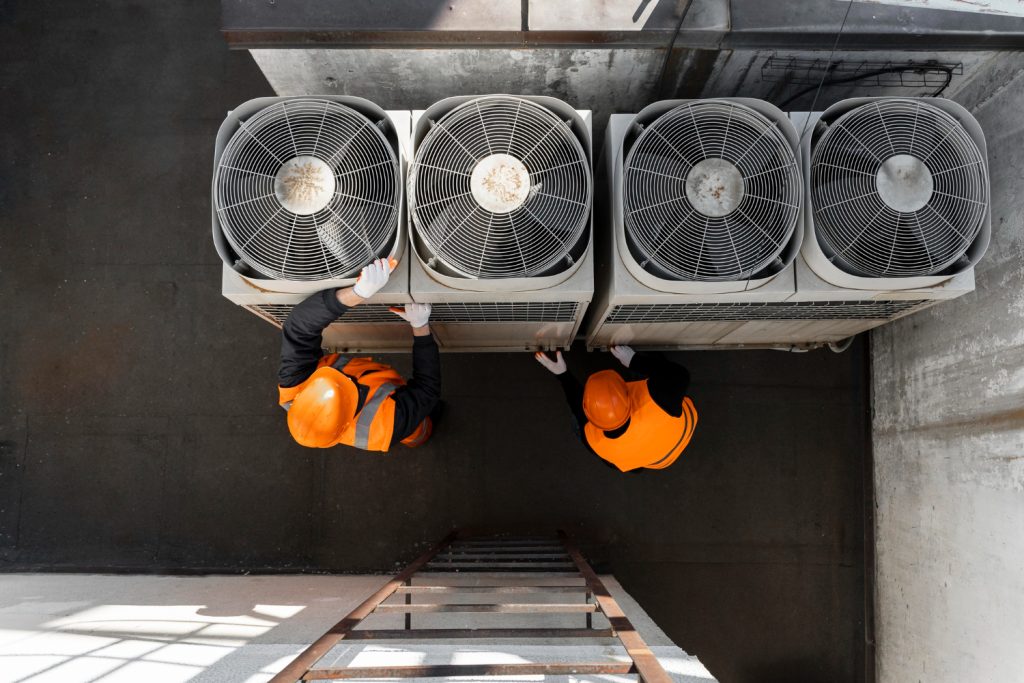
Fan coil units (FCUs) play a critical role in heating and cooling systems, providing comfort in various residential and commercial settings. They operate by drawing air from a room, circulating it over a heat exchanger, and then sending the conditioned air back into the space. This efficient method of temperature regulation is essential, particularly in buildings with varying climates. However, without proper maintenance, the performance of fan coil units can decline, leading to increased energy consumption and costs.
The Mechanism Behind Efficiency
Understanding how fan coil units operate provides insight into why maintenance is crucial. The fundamental components include:
- Fan: Circulates air through the unit.
- Heat Exchanger: Transfers heat to or from the air.
- Filters: Clean the air entering the unit.
- Condensate Drain: Removes excess moisture from the system.
Each component must function optimally for the unit to maintain its efficiency. For example, clogged filters can restrict airflow, causing the fan to work harder. This strain can lead to increased wear and tear, ultimately shortening the unit’s lifespan. Regularly cleaning or replacing filters every few months could lead to significant savings on energy bills.
Moreover, monitoring humidity levels is essential. High humidity can make the fan coil unit operate inefficiently, thereby increasing energy costs. Incorporating dehumidifiers in conjunction with fan coil units can help maintain the right balance, enhancing performance.
| Component | Function | Maintenance Tips |
|---|---|---|
| Fan | Moves air through the unit | Lubricate annually |
| Heat Exchanger | Transfers heat | Clean periodically |
| Filters | Clean air | Replace every 1-3 months |
| Condensate Drain | Removes excess moisture | Inspect and clear regularly |
The synergy of these parts within the fan coil unit emphasizes the necessity of systematic maintenance. Users should recognize that while technology has improved, basic upkeep is still a non-negotiable aspect of ensuring energy efficiency in HVAC systems, especially with respected brands paving the way forward.
Key Maintenance Practices for Fan Coil Units
Implementing stringent maintenance practices specifically tailored for fan coil units can significantly enhance their operational efficiency. These practices encompass a wide array of strategies designed to preemptively address potential issues before they escalate.
- Regular Filter Maintenance: Schedule routine cleaning or replacement of filters at least every three months. This habit keeps airflow unrestricted, allowing for maximum efficiency.
- Professional Inspections: Engaging a professional HVAC technician for annual inspections can reveal underlying issues that may not be apparent during regular checks.
- Coil Cleaning: Maintaining cleanliness of evaporator and condenser coils is paramount. Dirt accumulation can reduce the heat exchange efficiency; thus, cleaning should be performed regularly.
- Thermostat Optimization: Adjust thermostat settings seasonally to improve energy savings. For instance, lower the setpoint during winter months and raise it in summer to optimize energy use.
Moreover, ensuring that nothing obstructs the airways of the FCU is equally important. Blocked vents can cause pressure imbalances, forcing the unit to cycle more frequently and consuming excessive energy. Users should regularly inspect external and internal components for any physical barriers.
It is also beneficial to upgrade older systems or components to energy-efficient alternatives. For example, newer fan coil units often come equipped with energy-efficient motors that can markedly reduce electricity usage. Monitoring the benefits of these upgrades can lead to significant long-term financial savings.
| Maintenance Task | Frequency | Comments |
|---|---|---|
| Filter Cleaning/Replacement | Every 1-3 months | Essential to maintain airflow |
| Professional Inspection | Annually | Detects possible issues early |
| Coil Cleaning | Every 6 months | Improves heat exchange efficiency |
| Thermostat Adjustment | Seasonally | Affects overall energy use |
Understanding maintenance requirements can lead to more informed decisions regarding energy consumption and operating costs. The knowledge gained through regular inspections, cleaning, and verifying the efficiency of parts can result in prolonged equipment lifespan, as well as enhanced comfort levels within living or working spaces.
Efficiency Upgrades and Technological Advances
As technology evolves, so do the options available for enhancing the efficiency of fan coil units. Advanced features and upgrades can transform an average unit into a powerhouse of energy efficiency. It is vital for facility managers and homeowners to stay informed about the latest advancements in the industry.
One promising area is the integration of smart thermostats. Smart thermostats enable real-time adjustments based on user behavior, weather changes, and energy usage patterns. This function allows for optimal temperature settings when occupants are home while saving energy during vacant hours. Indoor Air Maintenance and Service offers programmable solutions that go beyond traditional thermostats.
- Energy-Efficient Motors: Replacing outdated motors with energy-efficient ones can yield substantial energy savings.
- Automated Controls: Implementing automated systems for scheduling can streamline efficiency across multiple units.
- Zone Control Systems: Zoning allows for precise temperature control in different areas of a building, enhancing comfort and reducing energy waste.