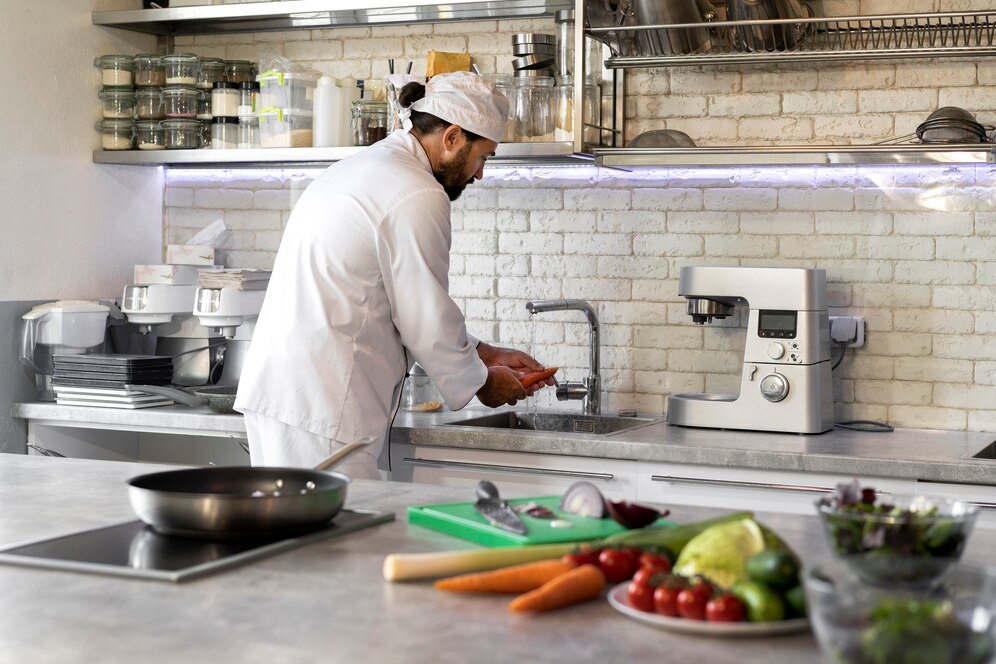
A ducted range hood is a vital component in the maintenance of air quality within the kitchen. Its primary function is to extract smoke, steam, and odors generated while cooking, thus keeping the kitchen environment clean and breathable. Beyond mere aesthetics, a ducted range hood connects to a system that directs pollutants outside, enhancing overall ventilation efficiency. The significance of having an effective ducted range hood in your cooking space cannot be overstated, especially for those who frequently engage in cooking that produces substantial smoke or fumes.
Effective Installation Techniques for Optimal Range Hood Performance
Installation techniques significantly impact the way a ducted range hood performs. Proper installation ensures that the appliance functions as intended, maximizing its ability to effectively expel cooking pollutants. One of the foremost considerations is ensuring the hood is mounted at the proper height. The height of 24 to 36 inches above the stovetop is a commonly recommended standard. This height permits the best capture of smoke and steam while still allowing for easy visibility during cooking.
Furthermore, attention must be given to the ductwork involved in the range hood method. For effective installation:
- Use rigid ducting materials whenever possible to lower airflow resistance.
- Minimize bends and turns in your ducting to maintain high airflow levels.
- Seal joints in the ductwork thoroughly to prevent air leakage that can undermine performance.
Choosing the Right Duct Size for Ducted Range Hoods
The selection of duct size is critical in determining how efficiently air will flow through the system. The standard duct sizes include:
- 6-inch duct: Suitable for range hoods with lower CFM ratings.
- 8-inch duct: A common size for most mid-range hoods.
- 10-inch duct: Ideal for high-performance range hoods generating higher airflow.
Each duct size will have an associated maximum length that should not be exceeded to avoid reduced efficiency. As a general guide, the following maximum duct lengths can be considered:
| Duct Size | Maximum Length (ft) |
|---|---|
| 6-inch | 25-30 |
| 8-inch | 40-50 |
| 10-inch | 50-60 |
By choosing the appropriate size and installation method within your kitchen’s layout, you can significantly boost your range hood’s performance and ensure an optimal cooking experience.
Regular Maintenance for Sustained Airflow Efficiency
Maintaining your ducted range hood is an often-overlooked aspect that plays a crucial role in ensuring sustained performance and airflow optimization. Regular maintenance keeps the internal systems oiled and functioning well, ultimately prolonging the appliance’s lifespan and reducing the risk of failure. One essential component of maintenance is cleaning the filters, which accumulate grease and particulates over time, impacting the fan’s capability to effectively pull in air.
Establishing a cleaning routine should take into account:
- Frequency of cooking, with heavier use requiring monthly cleanings.
- Type of filter utilized, as some materials may require different cleaning methods.
- Visual checks for odors or impaired functions as indicators of maintenance needs.
How to Clean Range Hood Filters Efficiently
Cleaning range hood filters doesn’t have to be labor-intensive. Here is a straightforward process:
- Remove the filters from the hood following the manufacturer’s instructions.
- Soak the filters in warm soapy water or run them through the dishwasher if compatible.
- Rinse thoroughly and air dry completely before reinstalling.
Establishing a regular schedule ensures that the range hood operates at peak efficiency. This aspect of range hood maintenance not only improves performance but also enhances the air quality within your kitchen.
Utilizing Fan Speed Control for Enhanced Cook Space Air Quality
Effectively managing fan speed can dramatically improve the capability of your ducted range hood to handle various cooking tasks. Many modern hoods are designed with adjustable fan speeds, allowing the user to tailor airflow according to the severity of smoke or odors emitted during cooking. For instance, heavy frying or grilling would typically necessitate a higher fan setting compared to boiling.
- Optimal use of high speeds during intensely aromatic or smoky tasks prevents odors from lingering.
- Lighter cooking tasks can benefit from lower speeds, reducing noise while still providing acceptable ventilation.
Home cooks should familiarize themselves with their specific range hood’s capabilities, as maximizing its operating features may adhere to different cooking methods and conditions. Additionally, utilizing built-in features such as heat sensors, which automatically adjust fan speed based on temperature, can enhance your cooking experience by maintaining optimal air quality without constant manual adjustments. For professional duct sizing, material selection, and installation, consider consulting experts like EZ Duct Work Inc.