

Archaic bricks offer a fascinating glimpse into the architectural history of various cultures. Traditionally made using local materials and methods, these heritage bricks are often characterized by their unique shapes, colors, and textures. By examining the manufacturing processes and applications of these bricks, one can appreciate their importance in the context of masonry preservation.
Assessing Damage and Identifying Repair Needs
When embarking on a project to restore archaic bricks, a crucial initial step involves assessing the extent of damage. Several factors can contribute to brick deterioration, such as weathering, moisture infiltration, and biological growth. It’s essential to identify these issues to determine the best course of action for repair.
One of the common issues faced is the accumulation of moisture within the masonry. This can lead to efflorescence, where salts migrate to the surface and cause unsightly white patches. A thorough inspection of brick surfaces can reveal signs of moisture problems, such as spalling or crumbling. Understanding these indicators enables restorers to apply suitable conservation methods.
Another critical factor to assess is the structural stability of the surrounding masonry. A detailed evaluation may reveal underlying issues such as foundation settlement or shifting which could result in additional stress on the fragile bricks. Depending on the assessment, diversely tailored techniques might be necessary to stabilize the entire structure before beginning localized repairs.
During initial assessments, it is also important to document the findings thoroughly. Having a visual and textual record can guide future decisions in the restoration process and serve as a historical archive for future reference. A structured table outlining the condition of various areas will prove beneficial.
| Area of Assessment | Condition | Recommended Action |
|---|---|---|
| Wall Surface | Spalling & Crumbling | Chemical Treatment & Repair |
| Mortar Joints | Cracked | Rake Out & Repoint |
| Foundation | Settling | Stabilization |
Traditional Materials: Key to Successful Restoration
Utilizing traditional materials is a cornerstone of effective brick restoration. Authentic restoration methods insist on the use of materials that closely mirror the original bricks’ properties, including their chemical composition, porosity, and appearance. This approach ensures that any repairs made do not compromise the overall aesthetics of the structure.
In many cases, traditional mortars were produced using lime, as opposed to modern cement, which can be too rigid and lead to severe deterioration of soft bricks over time. The flexibility and breathability of lime allow for moisture control, which is vital in historical masonry. By replacing old mortars with lime-based ones, restorers can enhance the longevity and integrity of the structure without damaging the original materials.
Notably, sourcing local materials can lead to improved compatibility with the existing masonry. This practice not only preserves the architectural style but also lessens the environmental impact of restoration projects. For example, utilizing local clay for new brick production can yield pieces that match the coloring and texture of the existing brickwork.
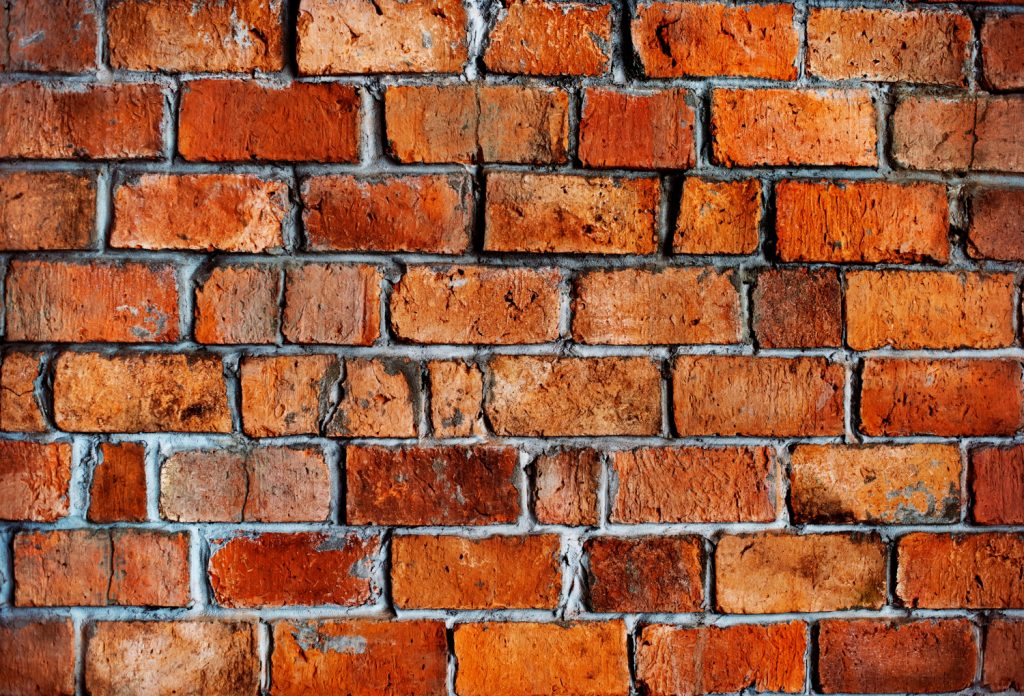
The significance of traditional materials extends beyond aesthetic concerns; it also contributes to the broader practice of sustainability in restoration efforts. Using locally sourced materials minimizes the carbon footprint associated with transporting modern alternatives and fosters a sense of community pride.
Benefits of Traditional Materials:
- Enhanced compatibility with existing masonry.
- Ability to manage moisture effectively.
- Support for sustainable practices in restoration.
- Prolonged lifespan of restored areas.
Restoration Best Practices for Archaic Bricks
Engaging in the restoration of archaic bricks requires adherence to a set of best practices aimed at preserving their historical significance. It is crucial to approach each project with care, respecting both the physical integrity of the bricks and their cultural context.
One fundamental principle is to conduct an initial thorough examination before commencing any repair work. This not only informs the conservator about the types of repairs necessary but also allows for the identification of any further hidden issues. Establishing a clear plan that outlines the stages of work will streamline the process while minimizing the risks of further damage.
Moreover, employing specialized techniques tailored for delicate work is paramount. For instance, when removing deteriorated mortar, using hand tools rather than power tools can reduce the risk of damaging adjacent bricks. Such precision can save both time and resources, avoiding potential setbacks.
It is also advisable to engage in ongoing training and education regarding the latest trends and techniques in mason restoration. Workshops, seminars, and collaborative projects can provide valuable hands-on experience and updates on best practices.
Conservation should not be viewed merely as a technical undertaking; it is an art form that requires deep appreciation and understanding of the materials and historical context. By viewing each restoration project as an opportunity to learn and innovate, restorers can better protect our architectural heritage for future generations.
For expert assistance with restoration projects, consider working with Century Architexture, whose services specialize in preserving historical brickwork while maintaining structural integrity and authenticity.


