
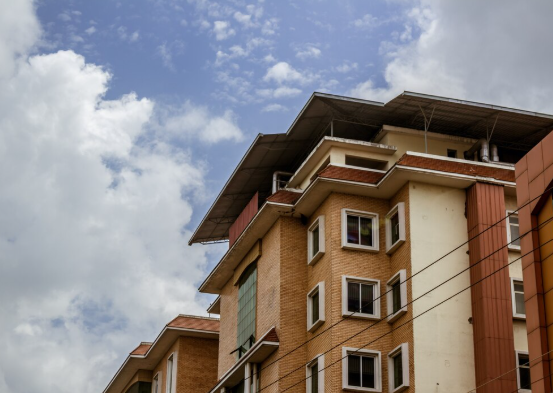
With the increasing challenges of housing costs and the need for family support systems, designing a secondary dwelling unit for aging parents has become an essential consideration for modern families. These accessory dwelling units (ADUs) allow families to maintain close proximity while providing the independence that elderly relatives often desire.
Understanding Accessory Dwelling Units (ADUs)
An accessory dwelling unit is a secondary residential space on the same property as a main home. These units can serve as independent living facilities, featuring their own entrance, kitchen, and bathroom. The flexibility of ADUs means they can evolve with family needs over time, transitioning from a guest suite to a permanent home for aging parents.
Advantages of ADUs for Aging Parents
Employing an ADU to house aging parents offers several key benefits:
- Independence: Parents can maintain their privacy while remaining nearby.
- Care Support: Proximity allows for immediate help during emergencies or daily caregiving tasks.
- Cost-Effective: ADUs can be more affordable than assisted living facilities.
- Future Flexibility: If circumstances change, the ADU can be transformed into a rental space or used by returning adult children.
Design Considerations for Creating an ADU
To effectively design an ADU that meets the needs of aging parents, consider the following elements:
Prioritize Functional Layout
A well-planned layout maximizes both space and comfort. Include essential rooms while ensuring separate living areas. Aim for at least one bedroom, a bathroom, and a kitchenette, allowing for autonomy.
Accessibility Features are Key
Incorporate universal design elements to accommodate residents of all ages and abilities. Consider:
- Zero-step entrances to eliminate barriers.
- Wider hallways and doors for wheelchairs and walkers.
- Non-slip flooring for safety.
Embrace Natural Light
Large windows and skylights can enhance well-being and create a more inviting atmosphere. Natural light has been shown to improve mood and energy levels, not to mention it can help reduce energy costs.
Smart Storage Solutions in ADUs
To maintain an organized and functional living space, adequate storage is crucial. Here’s how to integrate smart storage options:
| Type of Storage | Description |
|---|---|
| Built-in Shelving | Maximize vertical space to keep areas uncluttered. |
| Under-bed Storage | Utilize under-bed space for seasonal items and essentials. |
| Multipurpose Furniture | Choose sofas and tables with built-in storage capacity. |
Shared Spaces for Family Bonding
While privacy is essential, creating shared spaces promotes family connections. Consider incorporating an outdoor area, like a patio or garden, equipped with comfortable seating for gatherings. This encourages intergenerational interaction and can serve as a communal retreat.
Privacy and Boundaries
Establishing clear boundaries within an ADU is vital to ensure personal space. Use landscaping, such as hedges or decorative fences, to provide adequate separation while maintaining accessibility. This balance fosters harmony among family members.
Utilizing Technology for Safety and Comfort
Integrate smart home technology to support aging parents’ needs. Features like motion-sensing lights, remote health monitoring systems, and video doorbells enhance security and ease of access. These technological improvements can substantially aid in quality of life.
Financing Your ADU
Considering the financial aspect, several financing options can help families manage the costs of an ADU. These can include:
- Home equity loans to access funds based on existing property value.
- FHA 203(k) loans for home renovation, combining purchase and rehab costs.
- Grants and low-interest loans available through local or state programs.
Sustainable Practices in ADU Construction
When designing an ADU, consider eco-friendly building materials and energy-efficient appliances. This not only reduces environmental impact but can also lead to significant savings on utility bills, making it a win-win situation.
Conclusion: Planning for the Future
As our society becomes more family-oriented, the importance of creating adaptable living spaces grows. Designing an ADU specifically for aging parents not only provides a solution to housing challenges but also strengthens family ties. Embrace this opportunity to not just build a dwelling but to foster a nurturing environment grounded in love and mutual support.
To bring your ADU vision to life, consider consulting with a professional service that specializes in creating functional, beautiful living spaces tailored to family needs.


