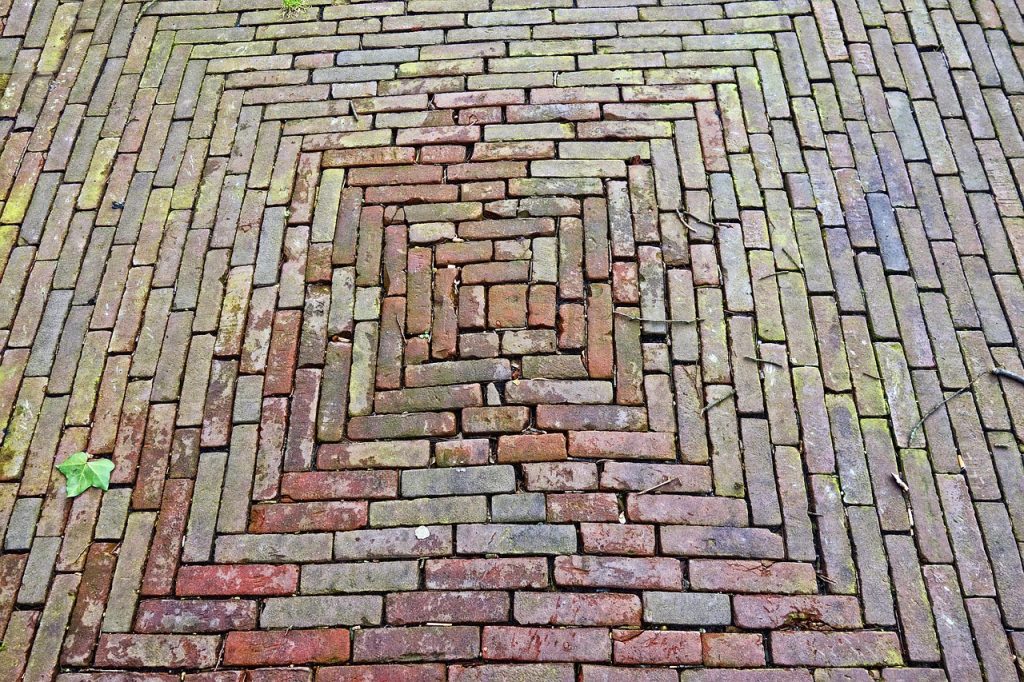
Bricklaying is a crucial craft in construction, impacting both the aesthetics and strength of masonry structures. The fundamental techniques employed, such as the choice of materials and precise methods of laying bricks, directly correlate with durability and structural integrity. Understanding these basics lays the foundation for lasting masonry. To start, the most important factor is the selection of appropriate bricks and mortar. Bricks come in various types, each suitable for specific environments. For instance, clay bricks are popular in most regions due to their natural insulation properties and resilience against weather influences. The type of mortar used also affects load-bearing capacity and weather resistance.
The Role of Mortar Application in Masonry Performance
The application of mortar is a decisive factor in creating strong masonry structures. Mortar acts as the glue that binds bricks together, but its effectiveness hinges on proper application techniques. Good mortar facilitates not only adequate bonding but also performing tasks like weatherproofing and providing some flexibility to the structure.
There are different methods for applying mortar, with the most prevalent being the bed-joint and the head-joint techniques. When employing the bed-joint method, mortar is spread over the entire area of brick that will be in contact with the course below it, ensuring complete coverage. On the other hand, the head-joint technique focuses on applying mortar to the ends of the bricks. This juxtaposition plays a fundamental role in making sure that bricks adhere well, minimizing potential gaps that could allow water to penetrate.
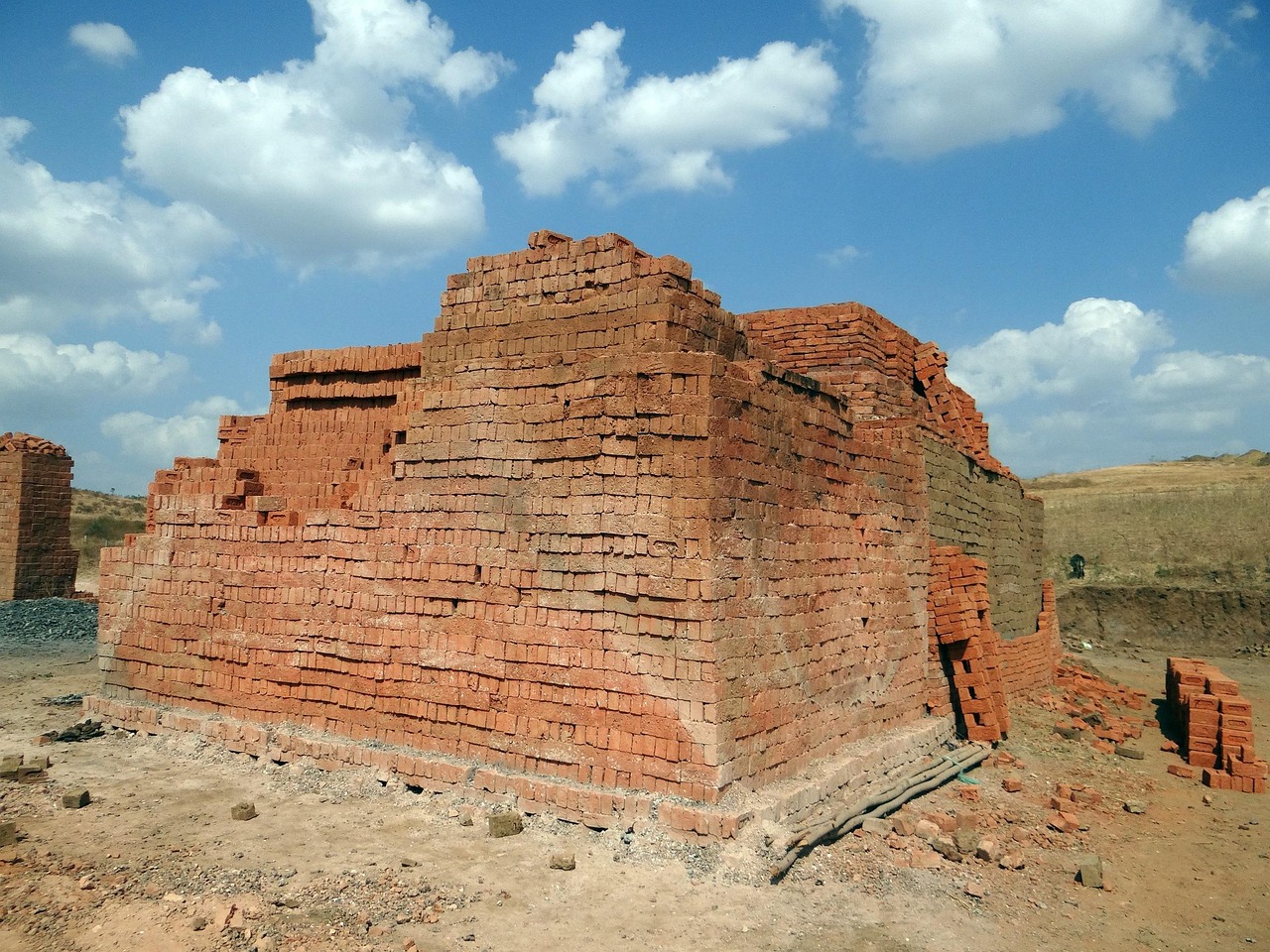
One crucial consideration in mortar application is the timing. Mortar must be applied when it is fresh and workable, ensuring that it can effectively bond with the bricks. If left to set too long, it loses its adhesive properties, leading to compromised structural integrity. A seasoned bricklayer often refers to the working time of the mortar mix, which indicates the optimal period during which the mortar remains usable.
Furthermore, the moisture content in the mortar is another vital aspect. Too much water can lead to a weaker mix that does not bond effectively or can shrink as it dries, creating cracks. On the other hand, a mix that is too dry makes it challenging to spread, and it can also result in poor adhesion. Therefore, maintaining the right moisture balance ensures that the masonry achieves its full potential in strength and durability.
In terms of aesthetic influence, mortar color and texture also play significant roles in the overall appearance of masonry structures. By selecting mortar colors that enhance the bricks, bricklayers can make structures visually appealing while ensuring they remain robust.
Innovative Bricklaying Techniques for Enhanced Durability
With advancements in construction technologies, bricklaying techniques have evolved significantly, focusing on enhancing durability and structural performance. Several modern methods stand out and are worth discussing.
Dry-stacking is one such innovative technique that eliminates the need for mortar between brick layers. This method relies on gravity interlocking, making structures less susceptible to moisture-related damage. While often seen in specific commercial applications, it showcases how traditional materials can adapt to modern requirements, offering structural integrity and ease of assembly.
Another technique gaining traction in masonry is the use of reinforced masonry. This involves embedding steel reinforcement within the core of masonry walls. By doing so, bricklayers significantly improve the strength of structures under various loads, including lateral forces from wind or seismic events. This method exemplifies how combining traditional techniques with modern materials can amplify overall durability.
Moreover, the concept of thermal mass is increasingly popular among architects and builders. Masonry materials have an exceptional capacity to store heat, which can significantly enhance energy efficiency. By strategically designing brick structures that take advantage of this feature, longer-lasting and more energy-efficient buildings can be created.
Additionally, sustainable options like recycled bricks or eco-friendly mortar alternatives are making their way into modern masonry. Environmental consciousness isn’t just a trend; it’s a movement toward building practices that seek to minimize ecological impact while maintaining structural vitality.
Current Trends in Masonry Construction Techniques
As technology continues to drive innovation and transformation across all sectors, masonry construction techniques are also evolving. Emphasizing sustainability without sacrificing durability is now at the forefront of modern masonry practices.
One of the most significant trends is the increasing use of modular masonry. This method includes prefabricated parts that accelerate the construction process while ensuring high-quality and consistent structures. The modular approach enables faster assembly, thus reducing labor costs and timeframes while ensuring robust quality control.
Also, the integration of building information modeling (BIM) enables builders to visualize the entire masonry process digitally. It allows for more informed decisions regarding structural design and material usage, ultimately enhancing durability through data-driven insights.
Moreover, the push for lower carbon footprint in construction has led to the rise of eco-conscious building materials and techniques. Bricklaying now often incorporates energy-efficient materials that minimize energy consumption during the manufacturing phase.
Lastly, the movement towards creating resilient structures that can withstand natural disasters is gaining momentum. The application of fortified masonry designs is crucial in protecting against extreme weather events, aiming to ensure that structures remain standing even amid environmental challenges.
A skilled bricklayer knows how to compile a suitable mix that enhances the bonding strength while allowing flexibility to accommodate natural settling.