
The journey of scrap metal from discarded items to valuable raw materials is a vital component of modern industry. The metal recycling process is intricate, involving numerous stages that not only protect our environment but also transform waste into reusable products. By comprehending this process, one gains insight into the environmental benefits of recycling and the myriad techniques deployed in recycling facilities.
The Importance of Scrap Collection and Initial Sorting
The first point of contact in the recycling process is scrap collection. Scrap metal is sourced from numerous places, including construction sites, manufacturing facilities, and even households. After collection, these materials are transported to recycling plants where they undergo sorting. This step is crucial as it determines the quality and purity of the final recycled product. The sorting process employs advanced technologies such as magnetic separation for ferrous metals, while non-ferrous metals like aluminum and copper are often separated using eddy current separators and manual methods.
Understanding the types of metals that can be recycled enhances the efficiency of this process. Ferrous metals, which contain iron, are typically separated from non-ferrous metals. Notably, the recycling facility focuses on high-value metals, ensuring that only materials with significant economic worth are processed, leading to an efficient and sustainable recycling system.
The Role of Shredding in Efficient Processing
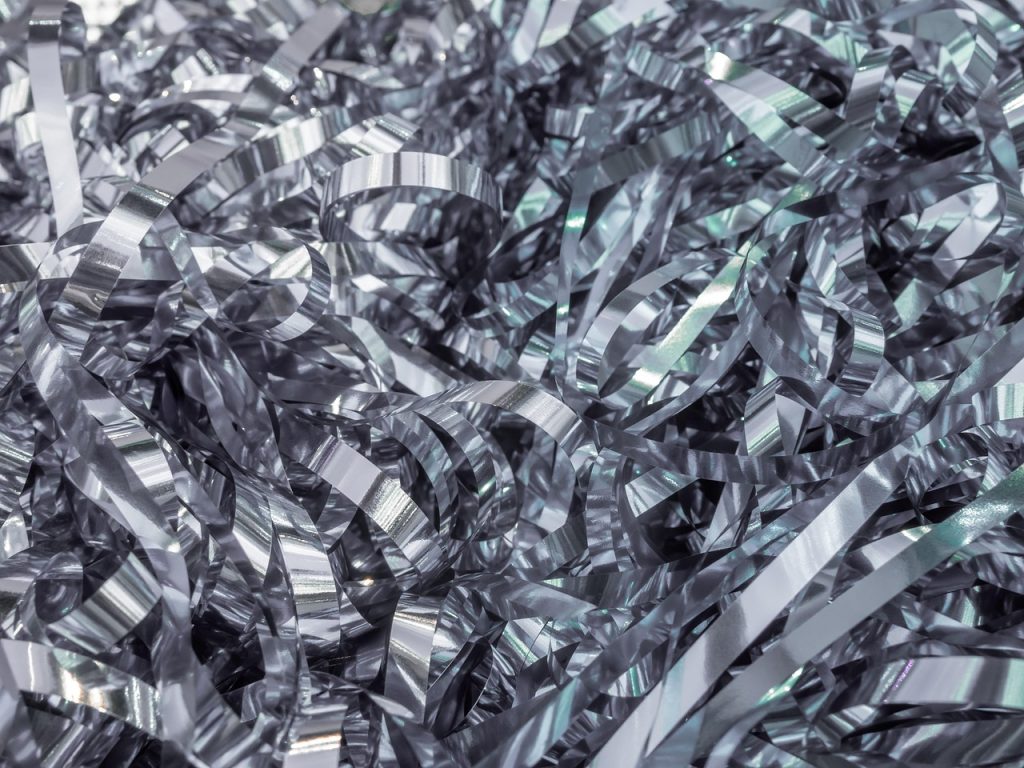
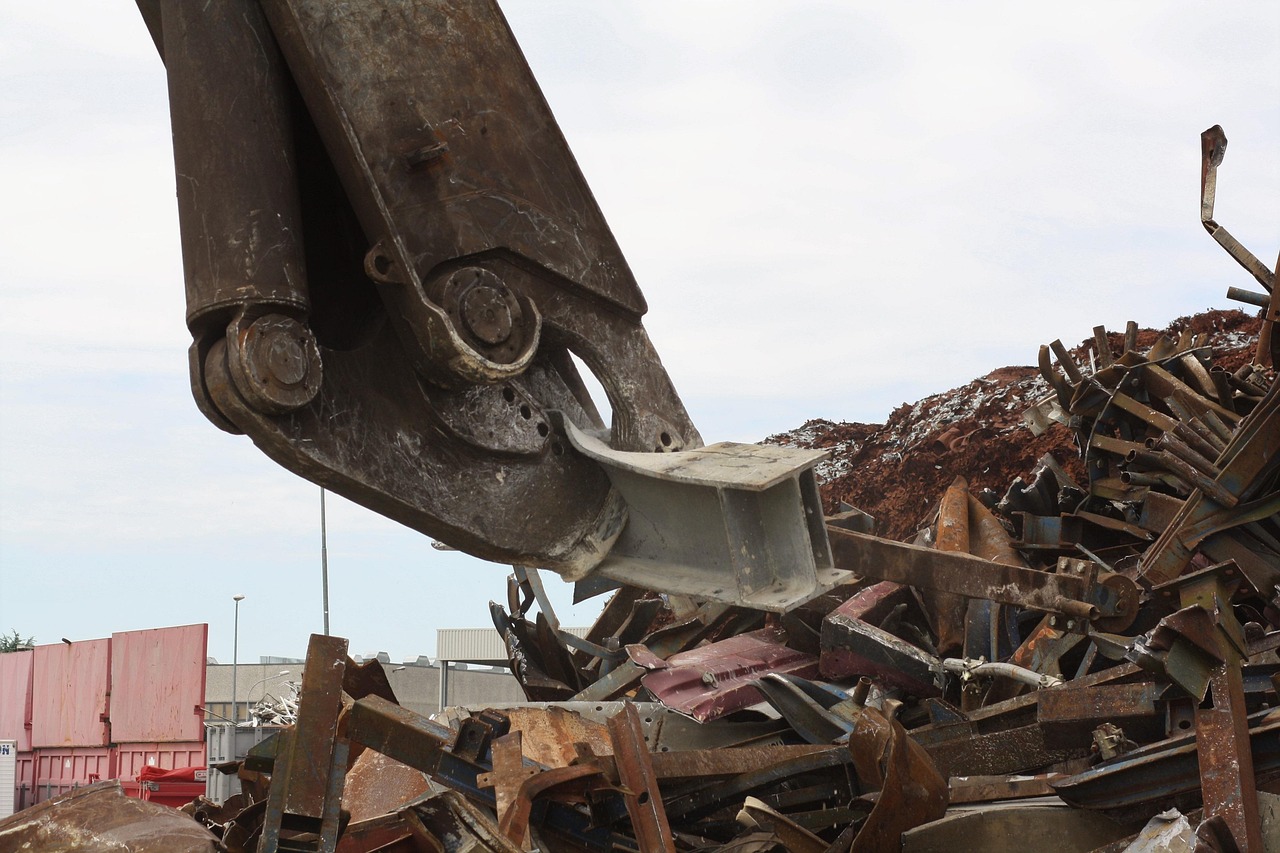
Following sorting, the next critical phase is shredding and size reduction. Large scrap metal items, such as discarded appliances and vehicles, are brought to industrial shredders that reduce them into smaller, manageable pieces. This size reduction is essential not only for easier handling but also for facilitating the melting process. The increase in surface area allows for efficient melting, thus maximizing energy usage.
Additionally, shredding entails the removal of non-metallic components. Contaminants such as plastics, rubber, and insulation can complicate the recycling process, so advanced techniques are used to ensure that these materials are separated effectively. The combination of shredders and air classification systems leads to higher purity of the output, which is critical for subsequent operations.
Cleaning and Purifying Scrap Metal
Once the metal is shredded, the subsequent step in the metal purification phase begins. Understanding the importance of purifying scrap metal is essential to producing high-grade recycled materials. Various methods such as chemical washes and thermal treatments remove dirt, oils, and other contaminants that may affect the quality of the recycled metal.
- Washing: Industrial detergents are employed to cleanse the metal surfaces.
- Chemical Baths: Chemicals are used to dissolve impurities further.
- Thermal Treatment: Heat is applied to burn off unwanted residues.
This rigorous cleaning process ensures that the metal entering the melting phase meets strict quality standards, ultimately producing stronger and more durable recycled products.
The Melting Process: Transforming Scrap into New Material
The melting phase is where the real transformation happens. Once cleaned and sorted, the scrap metal is placed in specialized furnaces, such as electric arc furnaces for steel, and rotary furnaces for aluminum. The choice of melting technology is based on the type of metal and the desired end product. Notably, this phase requires significant energy, yet using recycled scrap significantly reduces energy consumption compared to that of extracting virgin minerals.
During melting, last traces of impurities are also removed using various fluxes and additives that bind unwanted elements, which are then eliminated as slag. Monitoring the molten metal’s composition for quality assurance is critical at this stage. This careful process culminates in casting the metal into ingots or billets, ready for manufacturing.
Closing the Loop: Manufacturing and Reuse of Recycled Metals
After solidification, the recycled metals enter the manufacturing phase, wherein they are transformed into new products. Numerous industries, including automotive, construction, electronics, and packaging, rely heavily on these reprocessed materials. The continuous use of reuse metals has remarkable benefits; it conserves natural resources and lowers manufacturing costs. Beyond this, the recycling process reinforces sustainable practices as metals can be melted and reshaped multiple times without losing their integrity.
| Industry | Common Uses for Recycled Metals |
|---|---|
| Automotive | Vehicle bodies, engine components |
| Construction | Steel beams, roofing materials |
| Electronics | Wiring, circuit boards |
| Packaging | Cans, containers |
Ready to recycle your scrap metal? Contact Dade Scrap Iron & Metal today for competitive pricing and professional metal recycling services.


