
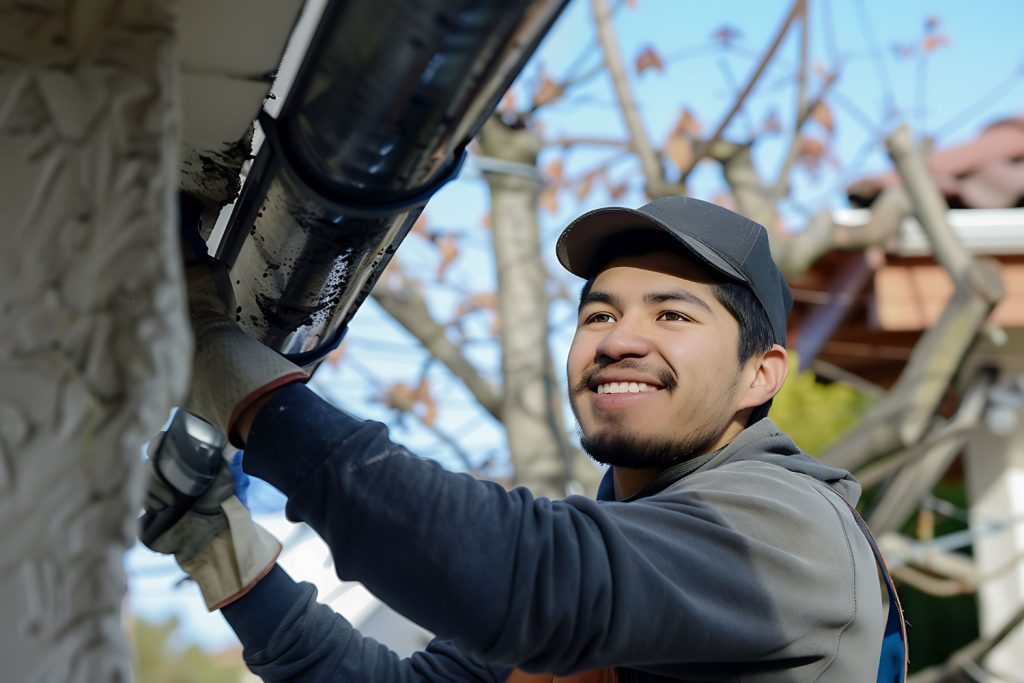
Eavestroughs play a pivotal role in protecting your home from water damage. Their primary function is to redirect rainwater away from your foundation, thereby preventing leaks and structural issues. However, over time, various challenges can arise, leading to clogs that can create more severe problems for your roofing system. In this article, we will delve into the common issues associated with clogged eavestroughs and their implications.
Common Eavestrough Issues and Their Consequences
Understanding the potential problems with eavestroughs can help you avoid more significant damage. Let’s take a closer look at the main types of issues homeowners face:
1. Clogged Eavestroughs
Clogged eavestroughs are by far the most prevalent issue for homeowners. The accumulation of leaves, twigs, and other debris can severely restrict the flow of water, causing overflow. This overflow might seem innocent at first, but left unchecked, it can lead to substantial damage to your home’s foundation. Regular cleaning is essential; if this task feels overwhelming, consider hiring a professional service.
2. Sagging Eavestroughs
As eavestroughs age or become overloaded with debris, they may begin to sag. This typically occurs when the hangers—the components that secure the eavestroughs to your home—become weak. Sagging can inhibit proper drainage, leading to increased overflow and potential damage to both the fascia and foundation of your home. Inspecting and tightening the hangers can often resolve this issue.
Understanding the Impact of Clogged Eavestroughs
The implications of clogged eavestroughs extend far beyond superficial concerns. Here’s how neglecting this issue can spiral into larger problems:
| Issue | Potential Consequences |
|---|---|
| Water Overflow | Foundation damage, erosion, mold growth |
| Sagging Eavestroughs | Pooling water, structural degradation |
| Leaking Seams | Interior leaks, attic moisture, pest infestation |
3. Leaking Eavestroughs
Leaking eavestroughs can be attributed to factors such as corrosion, rust, or damage, which create weak points in the system. Caulking that has failed over time can also contribute to leaks. Addressing a leak quickly is crucial; identifying its source allows for prompt repairs, whether it’s patching up small cracks or opting for a full replacement of affected sections.
4. Improper Pitch
An ideal eavestrough should have a slight slope toward the downspouts for optimal drainage. When the pitch is incorrect, water may pool instead of flowing away. This can result in water accumulating in unwanted areas, increasing the risk of overflow. A simple level can help assess the pitch, and adjustments may necessitate professional installation expertise.
Preventative Measures for Eavestrough Maintenance
Understanding and resolving these common issues is essential, but prevention is equally important. Here are effective strategies to keep your eavestroughs functioning optimally:
- Schedule routine inspections twice a year, particularly in spring and fall.
- Invest in gutter guards to minimize debris accumulation.
- Trim overhanging branches to reduce the chance of clogs.
- Keep an eye on the flow of water during rainstorms to catch issues early.
Professional Interventions
While regular maintenance is crucial, it is just as important to seek professional help when necessary. For example, if you find it challenging to navigate a ladder or handle extensive clogs, enlisting the help of an expert can prevent you from damaging your eavestroughs further. Professionals can also conduct thorough inspections, spotting potential issues before they escalate.
Clogged eavestroughs are more than just an inconvenience; they can lead to severe roof and foundation problems. Prioritizing regular maintenance and promptly addressing any signs of trouble will help safeguard your home against costly repairs. If you’re unsure where to start or need assistance, consider reaching out to experts in eavestrough maintenance and installation. Their services can save you and your home from potential damage.


